A Parents Guide to Herping in Sonoma, Marin & Napa Counties: Local Reptiles and Amphibians
 Jessie Feller
Herping – the act of searching for reptiles and amphibians in the wild – is a fun and educational outdoor activity that families in Northern California’s North Bay can enjoy together. Much like birdwatching or tidepooling, herping offers a “treasure hunt” experience in nature. This guide will explain what herping is, how to do it safely and ethically with kids, which reptiles and amphibians you might find in Sonoma, Marin, and Napa counties, and where to go for family-friendly “herping” adventures.
Table of Contents:
- What Is Herping?
- Best Practices for Herping with Kids
- Legal and Conservation Guidelines
- Common Species Found in Sonoma, Marin, and Napa
- How to Teach Kids Respectful Wildlife Interaction
- Top Herping Locations in the North Bay
- FAQs About Herping in Northern California
What Is Herping?
Herping is essentially reptile-and-amphibian watching – it’s the equivalent of bird watching, but for frogs, snakes, lizards, and salamanders. The term comes from herpetology, the study of reptiles and amphibians, rooted in the Greek word for “creeping”. In practice, herping means venturing outdoors to seek out these creatures in their natural habitats, whether it’s turning over a log to find a salamander or scanning a sunny rock for a basking lizard. Anyone can try herping, and it can be done anywhere from your backyard to remote wilderness.
Why do families and nature enthusiasts love herping? For one, it requires little more than curiosity and keen observation skills – you don’t need fancy gear, just a willingness to explore. Children often find it exciting because herping feels like a real-life treasure hunt combined with a science expedition. Every outing can lead to discoveries of unique critters and teach kids about different ecosystems. Herping also provides a hands-on way to learn about wildlife that’s very different from our own (cold-blooded, scaly or slimy, and often hiding in plain sight). Many herp species are secretive and overlooked, so spotting them brings a sense of accomplishment and wonder. In fact, the thrill of finding a camouflaged frog or a sunbathing snake can spark as much joy for kids as seeing a colorful bird or tide pool starfish.
Moreover, herping can foster a deeper appreciation for nature’s smaller creatures. Children who might already enjoy catching insects or watching birds may be delighted to search for frogs by a creek or lizards along a trail. Just as an early morning birdwalk or a tidepool exploration can be a gateway to science, a family herping outing can open kids’ eyes to the rich hidden world of reptiles and amphibians in their local parks.
Best Practices for Herping with Kids
When taking kids out herping, the priority is to keep the experience safe, fun, and respectful of wildlife. Here are some best practices to ensure a positive outing:
Timing and Habitat
Choose the right time and season. In Northern California, many reptiles and amphibians are most active in the spring and early summer, when weather is mild. Spring rains and warming temperatures draw out frogs, salamanders, and newts, and reptiles become active in the sunshine. Late winter through spring is prime time for seeing frogs and newts near ponds and streams (often during or after rain), while spring through early fall is great for lizards and snakes. Generally, herps are most easily found at cooler times of day like morning or late afternoon/dusk, rather than the hottest midday hours. Nocturnal species (such as many frogs and some snakes) might be seen at night with a flashlight, but for family trips it’s usually best to go in daylight or early evening.
Know where to look. Northern California’s diverse habitats each host different herps:
- Creeks, ponds, and wetlands: These are magnets for frogs, toads, newts, and salamanders. For example, Pacific Treefrogs (also called chorus frogs) breed in shallow ponds and will be heard calling “ribbit” on spring nights. Newts and salamanders hide under logs by stream banks or leaf litter in moist forests. Creekside trails or pond edges are great places for kids to carefully search for amphibians (look for movement in the water or under rocks at the water’s edge).
- Woodlands and forests: Oak woodlands and redwood groves can hide salamanders, newts, and lizards. Under logs, rocks, and fallen bark in these areas you might find slender salamanders or the orange-and-black Ensatina salamander. Forest pools or slow streams are breeding sites for amphibians like the California Newt. Even in dry woodlands, you may encounter lizards basking at forest edges or Alligator Lizards slipping through leaf litter.
- Grasslands, chaparral, and rocky hills: Open sunny habitats are ideal for basking reptiles. Western Fence Lizards (the common “blue-belly” lizard) love sunning on rocks, fence posts, and trail edges. Rock piles or talus slopes may harbor Western Skinks (small smooth lizards with bright blue tails as juveniles). Grassy fields with rodent holes often house Gopher Snakes and Kingsnakes that hunt mice and gophers. Rocky outcrops and logs in chaparral are also places snakes might shelter. Always supervise children closely in such areas and teach them to scan sun-warmed paths or rocks for resting snakes.
- Night and rain: Some dedicated herpers go “road-cruising” on warm nights or walk trails on rainy evenings to find nocturnal amphibians (for instance, many frogs and salamanders migrate on wet nights). If you have older kids and proper safety measures, a post-rain evening walk with flashlights can reveal countless tiny frog eyes shining back in your beam. Just be cautious with footing and don’t disturb animals in the dark.
By picking a suitable habitat and timing, you increase your chances of memorable wildlife sightings. A local tip: creeks and ponds in spring are often teeming with tadpoles, frogs, and newts, making them excellent “outdoor classrooms” for kids.
Searching Ethically and Gently
When you arrive at your chosen spot, coach kids on how to search for herps in an ethical, gentle manner:
- Move slowly and quietly. Reptiles and amphibians can be skittish. Quick movements or loud noises will send that lizard scurrying away. Encourage children to walk lightly, use their “nature voices,” and be patient observers.
- Lift and replace cover objects carefully. It’s exciting to find creatures hiding under logs, stones, or boards – a common herping technique called “flipping”. If you do this, always lift an object toward yourself, so that anything underneath can escape away from you (and you avoid trapping your fingers). More importantly, always put logs and rocks back exactly as you found them. Many herps rely on those micro-habitats for shelter and even have territorial home ranges. Rolling a log back gently protects any animals or eggs underneath from drying out or predators. Teaching kids to replace cover teaches respect for the animal’s home (“leave things as you found them”) – a key “leave no trace” principle.
By modeling a gentle approach – flipping logs with care, handling minimally, and leaving animals where you found them – you’ll impart important values about respecting wildlife.
What to Bring on Your Herping Adventure
A successful herping trip with kids doesn’t require much gear, but a few items can make things safer and more enjoyable:
- Proper footwear and clothing: Wear sturdy shoes or boots (especially in snake country or muddy creek sides) and long pants. This protects against scratches, ticks, and accidental brushes with poison oak or stinging nettles. Closed-toe shoes are a must for anyone scrambling over logs or rocks.
- Field guides or nature ID apps: Bring a field guide to California reptiles and amphibians or use a smartphone app/printout with pictures of common species. Kids love matching what they found to a picture to identify it. It turns the outing into a real-life scavenger hunt for species like the “Western Fence Lizard” or “Pacific Treefrog.” Some popular kid-friendly guides include local nature center pamphlets or online resources with photos.
- Notebook or sketch pad: Encourage kids to bring a small notebook to jot down what they see, or sketch an interesting creature. This makes them junior naturalists taking field notes. They can record the date, location, species, and any cool behaviors (“saw a lizard doing push-ups!”).
- Containers or nets (for temporary viewing only): If you plan to gently catch something like a tadpole or insect for closer observation, a small fine-mesh net and a clear container (like a plastic critter box or even a mason jar with air holes) can be useful. For example, scooping up some pond water with tadpoles into a clear tub lets kids observe the swimmers up close. Just remember to release everything where you found it after a few minutes.
- Gloves or snake hook (optional): For families experienced with herping, light gloves can be used to handle thorny logs or pick up certain creatures (never handle venomous snakes!). A snake hook is a tool experts use to gently lift snakes – not necessary for beginners, and absolutely not for kids to use on their own. Generally, it’s fine to herp bare-handed with caution and then wash up.
- Water, snacks, and sun protection: Like any outdoor hike, pack water and snacks for the kids. Searching for critters can be surprisingly thirsty work, especially on warm days. Bring sunscreen and hats if you’ll be in exposed areas, and perhaps insect repellent if mosquitos are around water (just avoid getting chemicals on your hands if you’ll be touching amphibians).
- Camera: A camera or smartphone is great for taking pictures of your finds. Kids might enjoy using a simple camera to document each species – like creating their own wildlife photo album. Photographs also allow identification later if you’re not sure what species you saw in the field.
Having these items on hand will keep everyone comfortable and prepared. It’s also a good idea to review safety rules before you start (for example, “If we see a snake, we will not try to touch it. We’ll call an adult over to take a look.”). A little preparation goes a long way toward a fun outing!
Safety Tips for Kids (and Parents)
While herping, it’s crucial to keep safety in mind – both for your family and the animals. Here are key safety guidelines:
- Stay on trails and with the group. Kids (and adults) should stick to established paths as much as possible. This reduces chances of stepping on unseen wildlife or wandering into dangerous terrain. Don’t let children run ahead out of sight. Many snakes and lizards like to bask on trail edges; if you walk slowly and keep your eyes open, you are more likely to spot them before you’re too close. If you do see a snake on the trail, give it the right of way – stop and keep a safe distance, and it will likely slither off.
- Watch where you put hands and feet. Teach kids the habit: never reach into crevices, under logs, or into tall grass without looking first. Use a stick to gently probe under an object if needed. When stepping over logs or rocks, step on the object first, then over – this warns any snake that might be on the far side. Many snakebite accidents happen when someone puts a hand on “just a stick” that turns out to be a snake, or steps over a log right onto a resting snake. A flashlight at dusk or in shady underbrush can help illuminate where you plan to put your hands or feet.
- Wear appropriate clothing. As mentioned, closed-toe shoes/boots and long pants are important in snake country. Thick socks and boots help protect against bites or scratches. Also, if walking in marshy areas, waterproof boots will keep kids more comfortable (and thus happier!).
- Know your snakes (and treat all with caution). It helps to know that in our region, the Northern Pacific Rattlesnake is the only venomous snake in the North Bay. All other local snakes (gopher snakes, kingsnakes, garter snakes, etc.) are non-venomous and generally not aggressive. Rattlesnakes typically have a chunky body, triangular head, and of course a rattle on the tail, but juveniles may lack a developed rattle. Assume any unidentified snake could be venomous and never attempt to handle it. If you encounter a rattlesnake, remain calm and back away slowly. Rattlesnakes do not chase people; they prefer to avoid us. In fact, they usually rattle as a warning so you won’t come closer. They are shy, non-aggressive creatures that want to avoid contact with humans (bites usually only happen if they are grabbed or stepped on). Give any rattlesnake plenty of space (at least several yards). Teach children to respect snakes: observe from a distance and do not provoke them. A long stick can sometimes be used by an adult to gently encourage a snake off a busy trail from a safe distance, but generally it’s best to let it move on by itself.
- Wash hands and avoid face contact. After any outdoor play – and especially after touching logs, soil, or any animals – make sure everyone washes their hands thoroughly. Reptiles can carry salmonella bacteria, so you don’t want kids sticking fingers in their mouth after handling a turtle or snake. Also, never touch your face or eyes after handling amphibians or reptiles until you’ve washed up. Some frogs and newts have toxins on their skin (more on that later). As a rule, treat all herps as “look but don’t lick!” and you’ll be fine.
- Carry a simple first aid kit. It’s wise to have basics in your pack: bandaids, disinfectant wipes, etc., for minor scrapes. In the highly unlikely event of a snakebite, keep the victim calm and get medical help immediately – do not attempt old myths like sucking venom or tourniquets. Again, snakebite risk is very low on a well-managed family outing, but it’s good to have a plan (which is basically: don’t get bit in the first place, and if it happens, emergency room ASAP).
By following these safety tips – stay aware, respect wildlife, and prepare for the environment – you can greatly minimize risks. Millions of people (including kids) hike and explore snake country without incident each year by observing these guidelines. It’s all about being smart and cautious, while still having fun.
What You Can Find in Sonoma, Marin, and Napa Counties
Northern California’s coastal and valley regions are home to a surprisingly rich variety of reptiles and amphibians. In the North Bay counties (Sonoma, Marin, Napa), your family could encounter anything from a bright green tree frog to a brown, checkered gopher snake. Below is an overview of notable species you might find, along with where to look and fun facts to share with the kids.
Lizards
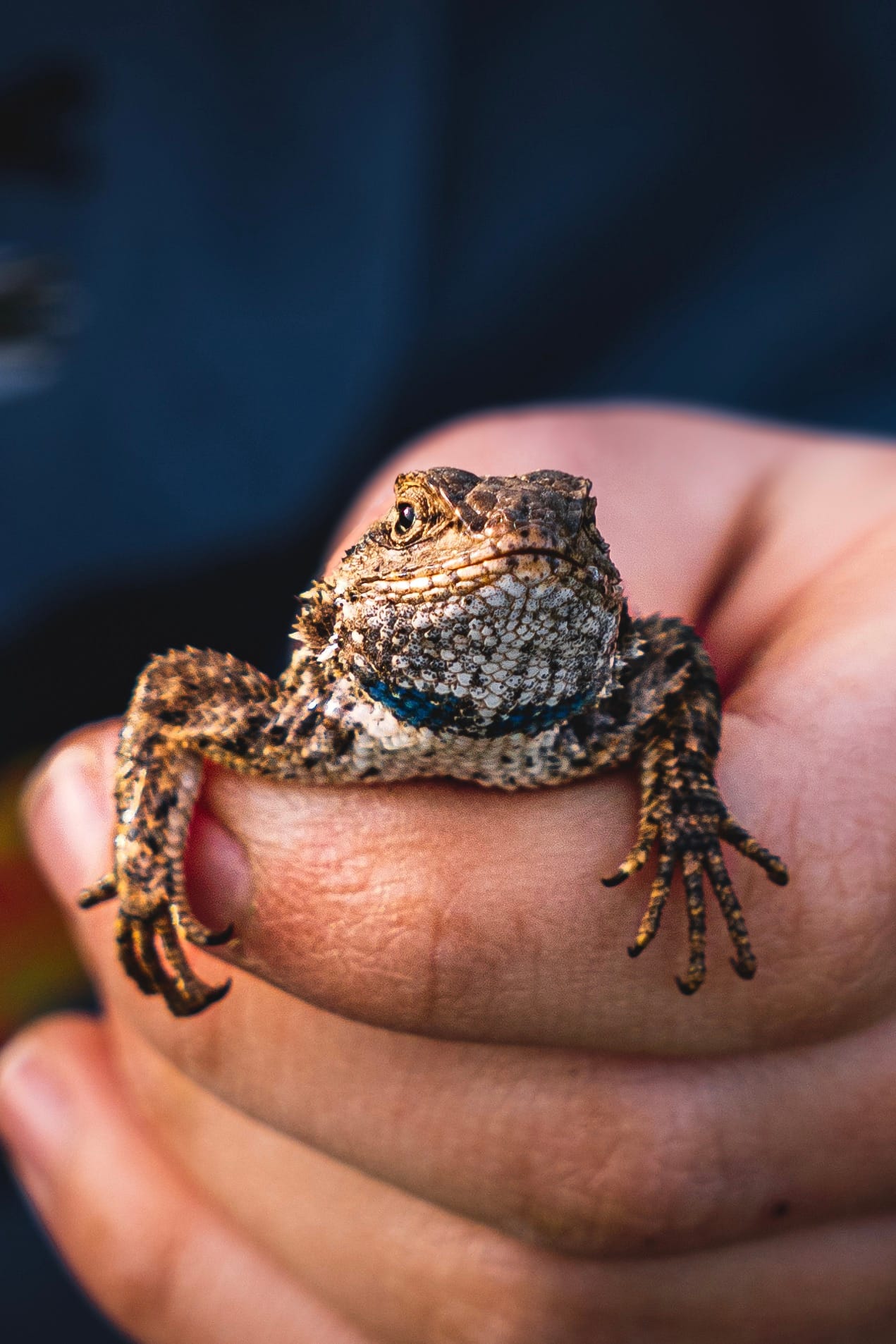
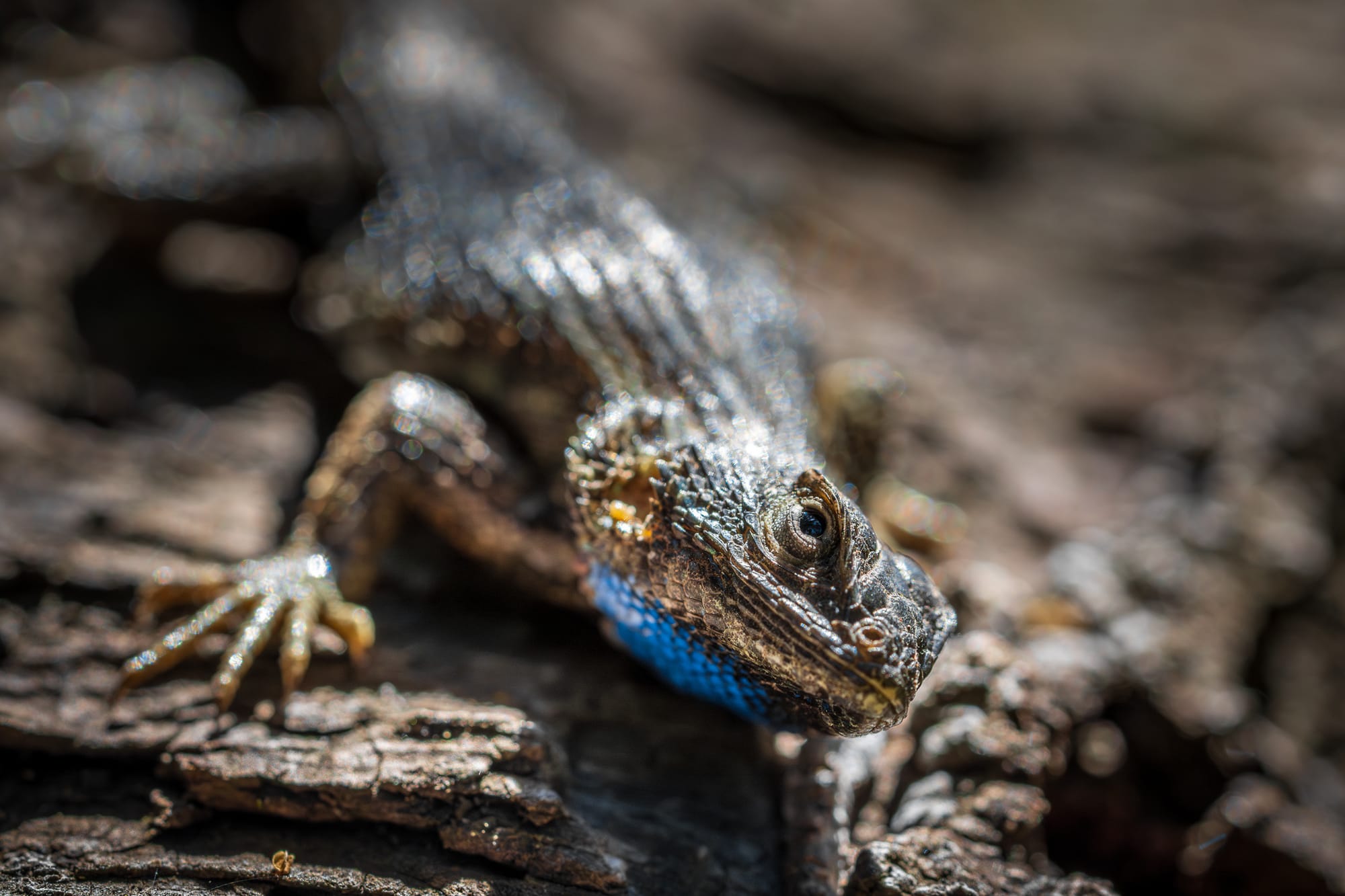
Western Fence Lizard (Sceloporus occidentalis): The Western Fence Lizard is ubiquitous in Northern California – chances are, the little brown/gray lizard doing push-ups on a trail or fence post is a fence lizard. They are called “blue-bellies” because males have brilliant blue patches on their belly and throat, which they display when doing those characteristic push-up movements (a territorial and mating display). These lizards are diurnal (active in daytime) and love sunny, open areas at the edges of woods, fields, and even urban yards. They often sit on top of logs, rocks, or fences to bask in the sun. Fun fact for kids: Western Fence Lizards are like superheroes in our ecosystem – their blood contains a protein that kills the Lyme disease bacterium in ticks that bite them! Areas with lots of fence lizards have fewer Lyme-infected ticks, effectively reducing Lyme disease risk for humans. So this little sun-loving reptile is actually helping keep us safe from tick diseases – pretty cool! Encourage kids to watch for the “push-up show” these lizards put on, especially in spring. Fence lizards eat lots of bugs, so they’re great garden neighbors. They’re quick and a bit skittish; if you move slowly, you might get within a few feet to observe their bright blue belly when they do a push-up. These lizards are very common on North Bay hikes – from grassy hills in Napa to oak woodlands in Marin, you’ll likely spot several on any warm day.
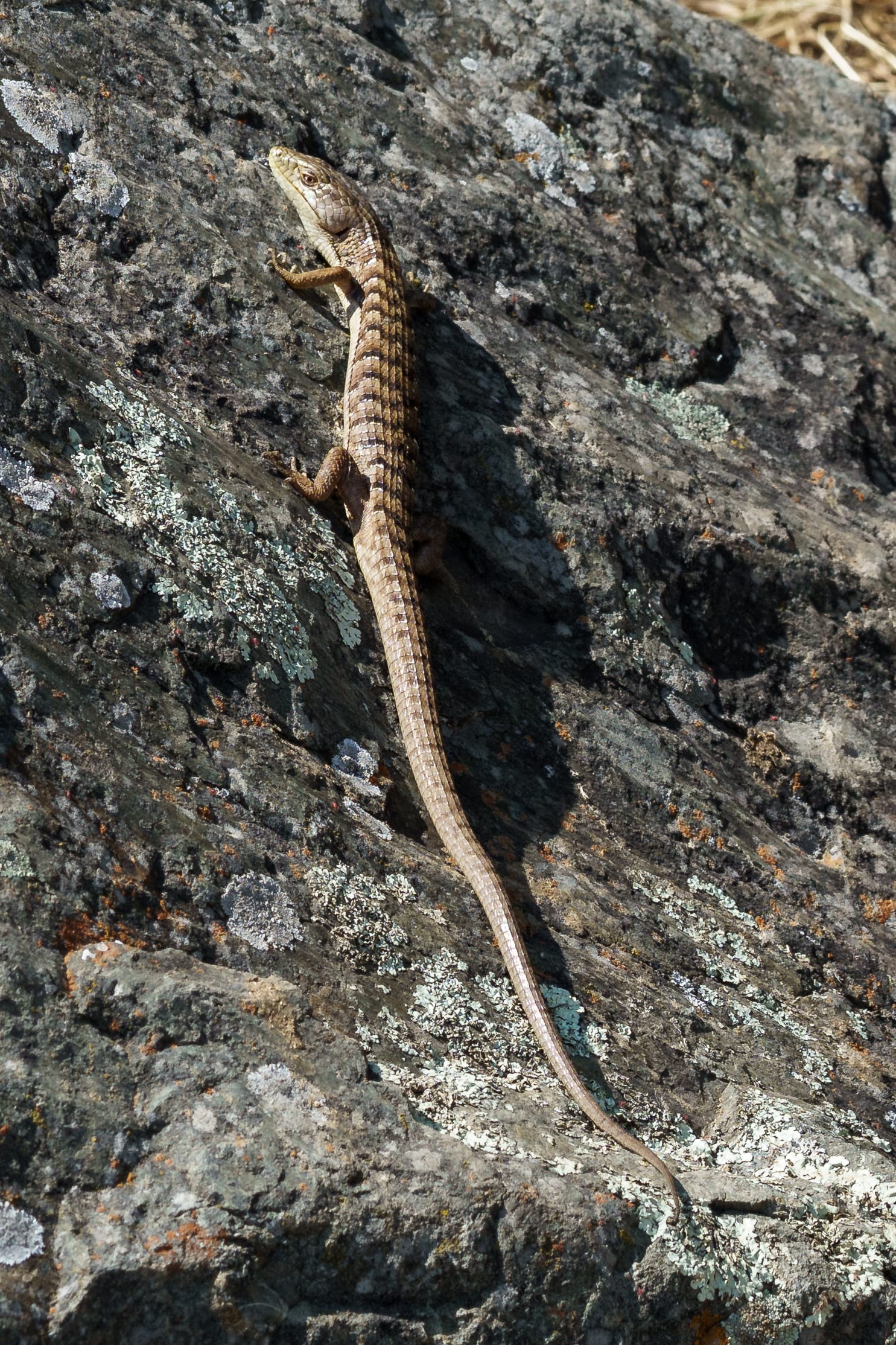
Alligator Lizards (Elgaria species): Alligator lizards are long, slender lizards with short limbs and a thick, somewhat triangular head, giving them a mini-“alligator” appearance. In our area, we have the Northern Alligator Lizard (including a local subspecies often called the San Francisco Alligator Lizard). They are usually brownish or greenish with dark crossbands. Alligator lizards are often found in shaded woodlands, grassland edges, and even residential areas – they like hiding under logs, rocks, and debris. Unlike fence lizards, alligator lizards don’t usually bask in plain sight; you’re more likely to find one by gently flipping over a log or seeing it slithering away into brush. If encountered, they may stand their ground and even gape or bite if cornered – they have a surprisingly strong bite for their size, so it’s best not to try to handle one (they can pinch fingers!). Fun facts: Northern Alligator Lizards are among the few lizards that give birth to live young instead of laying eggs. A mother alligator lizard can birth a litter of 5–15 tiny replicas of herself in late summer. Also, like many lizards, alligator lizards can drop their tail (which wriggles to distract predators) and later regrow it – though the new tail is often duller. Kids might find the name “alligator” lizard amusing; you can point out the slightly bumpy scales and strong jaws that inspired the name. These lizards eat insects, spiders, and even baby rodents. You might spot alligator lizards in places like grassy fields with adjacent shrubs, or under old wood boards at the edge of parks. Where to look: Deer Island Preserve in Novato (Marin County), for example, is noted as a good spot for alligator lizards in grasslands. They are also frequently seen in yards and gardens that border wild areas. Be gentle and observant – look under logs (and replace them) to catch a glimpse of this secretive reptile.
Skinks: The North Bay is home to the Western Skink (Plestiodon skiltonianus), a sleek lizard with a shiny, smooth appearance. Skinks have shorter legs and often a brilliant blue tail (especially juveniles). They love hiding under rocks and logs in sunny open forests and grasslands. While not as commonly seen as fence lizards, skinks do occur in places like Napa’s foothills and Sonoma’s woodlands. If you see a small lizard that looks almost snake-like and glossy, with stripes and possibly a blue tail, that’s a skink. They’re very quick and will dart into ground litter in a flash. Kids usually love the blue tail – it’s a great example of nature’s flashiness (the blue is thought to distract predators toward the tail, which the skink can drop to escape). Just appreciate these little guys by observation; they’re difficult to catch anyway!
Aside from these, the North Bay lizard roster also includes less common species like the Northwestern Fence Lizard (very similar to the Western) and Southern Alligator Lizard in some overlaps (which lays eggs unlike the Northern). But generally, Western Fence Lizards and Alligator Lizards will be the stars of the show on family outings. Fortunately, they’re abundant and often in the very places families hike – you won’t need to search long to find a scaly friend doing push-ups or peeking out from a log.
Snakes
Many parents might feel a jolt of anxiety at the thought of snakes, but seeing a snake in the wild can be a highlight for kids – if approached with the right mindset and knowledge. The North Bay has a variety of snakes, most of which are harmless to humans and fascinating to watch. Here are a few notable ones:
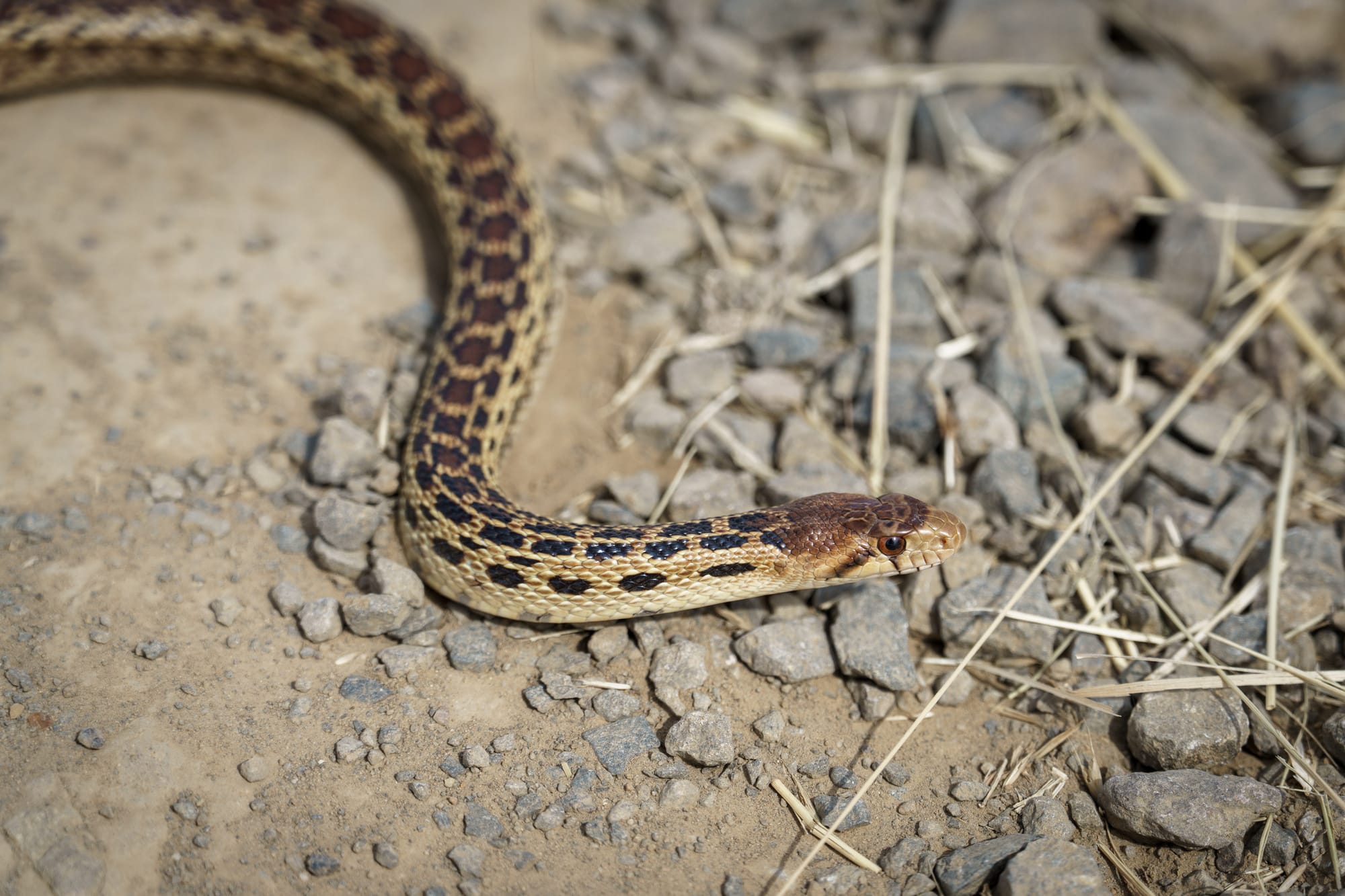
Pacific Gopher Snake (Pituophis catenifer catenifer): The Pacific Gopher Snake is one of the most common and widespread snakes in Northern California. It’s a large snake – adults can be 3 to 5 feet long – with a yellowish-tan body marked by dark brown or black blotches. Gopher snakes are often found in grasslands, oak savannas, farmlands, and even suburban areas (especially where there are plenty of rodents to eat). They are non-venomous constrictors; their diet is primarily rodents, along with gophers (hence the name), ground squirrels, birds, and eggs. Gopher snakes are day-active for much of the year, so you might encounter one crossing a trail or sunning itself. They’re generally docile if not harassed, but they have an amazing defense display: when threatened, a gopher snake will hiss loudly, flatten its head to appear broader, and shake its tail in the dry leaves – doing a pretty convincing impersonation of a rattlesnake!. This mimicry often scares off predators (and unsuspecting hikers), but if you look closely you’ll notice the lack of a rattle and the round pupils (rattlesnakes have vertical pupils). Teach kids: if you see a snake doing this, do not get closer thinking it’s “just a gopher snake” – always treat it as potentially dangerous. But observed calmly from a few steps away, this behavior is one of nature’s coolest shows. Over time, you’ll learn to tell gopher snakes apart by their narrow head and blotch patterns. They might even “trick” you by vibrating their tail – a good reminder to always respect snakes. Gopher snakes are beneficial to have around because they control rodent populations, including agricultural pests. Some farmers love seeing gopher snakes in their fields for this reason. In North Bay outings, you could see gopher snakes in places like grassland trails at Rush Creek or Deer Island in Marin (both known to host them), in Sonoma’s open space preserves, or even slithering across country roads on a warm evening. If you spot one, give it room – and consider yourselves lucky to see such a majestic reptile in the wild.
California Kingsnake (Lampropeltis getula californiae): The California Kingsnake is a strikingly patterned snake, usually dark brown or black with bold white or yellow bands (in our region). They are smaller on average than gopher snakes, often 2–3 feet long (though can reach 4 feet). Kingsnakes inhabit a variety of habitats – grasslands, woodlands, brushy areas, even wetlands edges – and they are aptly named “king” because they eat other snakes, even rattlesnakes! Kingsnakes are immune to rattlesnake venom and will readily hunt and consume rattlers. They also eat lizards, rodents, and amphibians. For families, seeing a kingsnake is a treat because of their bold pattern – kids often think they’re like “zebra snakes” or “candy-cane” snakes if they see the banded form. (Some in our area can also have longitudinal stripes instead of bands.) Kingsnakes are non-venomous and generally not aggressive to people; if grabbed they might bite or release a smelly musk, but they have small teeth. Of course, we never grab them in the wild – but you can gently appreciate one if a ranger ever holds one for demonstration. In the wild, kingsnakes tend to be secretive; you might find one under a log or crossing a path in the morning. They are powerful constrictors, and fun fact: sometimes they even eat their own shed skins (perhaps for nutrition or camouflage). Another fun fact: a kingsnake in the ecosystem is like having a superhero that keeps other snakes (including venomous ones) in check. People are often pleasantly surprised to learn this snake is on “our side” in reducing dangerous snakes. If you find a kingsnake, it’s a wonderful opportunity to discuss food webs and adaptation (immunity to venom). They are found throughout the North Bay, though not as commonly encountered as gopher snakes. Look in similar places – sunny hillsides, field edges, and sometimes near water. Sonoma Valley and Napa foothills both have kingsnakes. Always simply watch from a short distance and enjoy their beauty.
Northern Pacific Rattlesnake (Crotalus oreganus oreganus): This is the one venomous snake in our region, and it deserves a respectful mention. Northern Pacific Rattlesnakes (a subspecies of Western Rattlesnake) have a heavy body with dark blotches or diamond-like markings and, of course, the trademark rattle on their tail. Colors range from olive to brown to gray. They prefer rocky hillsides, grassland with rocks or woodpiles, and dry forested areas. In the North Bay, rattlesnakes are more common in the drier inland areas (e.g., eastern Sonoma and Napa hills, Mt. Tam’s south-facing slopes, etc.) and are rarer in the foggy coastal zones. They hibernate in winter and come out in spring. Rattlesnakes are generally not aggressive – they will not chase people and usually just want to be left alone. If you give them space, they pose little threat. On family hikes, the best strategy is what we covered in safety: stay on trail, watch where you step, and don’t put hands where you can’t see. If a rattlesnake is encountered, everyone should back away slowly. Use it as a teaching moment: you can point out the rattle (if visible) and explain the snake is warning us. Never allow a child (or adult) to try to move or provoke a rattlesnake. In many parks it’s actually illegal to harm them – and unnecessary, as they help control pests like rodents. It’s okay to feel a little fear (that’s natural and keeps us cautious), but try to convey a tone of respect rather than panic if you see one. One tip: the rattle sound is a dry buzz – if kids hear that, it’s instantly recognizable and they should freeze and locate the snake before moving. Usually, you won’t hear or see a rattler on family trails, but it’s good to be prepared. When hiking in known rattlesnake country, keep kids close, wear boots, and avoid letting them scramble on rocks. Rattlesnakes often sun themselves on rock ledges or under bushes at trail edges. With awareness, you can safely admire one from afar if you’re lucky to see it. Many herping families go years or decades without ever having a close call – it’s all about caution and respect.
Garter Snakes: Another group worth mentioning is the garter snakes (genus Thamnophis). In the North Bay, we have several kinds, like the Coast Gartersnake and Valley Gartersnake, often near water. They have slender bodies with lengthwise stripes of yellow, orange, or red. Garter snakes are non-venomous (they have mild toxins for their prey but not dangerous to people) and usually flee quickly. They eat frogs, tadpoles, fish, and slugs. Kids might catch a glimpse of a garter snake swimming in a pond or slithering in marshy grass – they’re fast! One especially beautiful species, the San Francisco Gartersnake, is extremely rare (endangered) and found on the Peninsula and maybe extreme southern Marin; you likely won’t see that on a casual outing. But more common garters could pop up in pond habitats. They are a great reminder of the link between land and water – a snake that’s a strong swimmer! If a child sees a snake in the water while pond dipping, it’s probably a garter snake hunting for frogs or fish. Just observe; they’re harmless but will disappear quickly if disturbed.
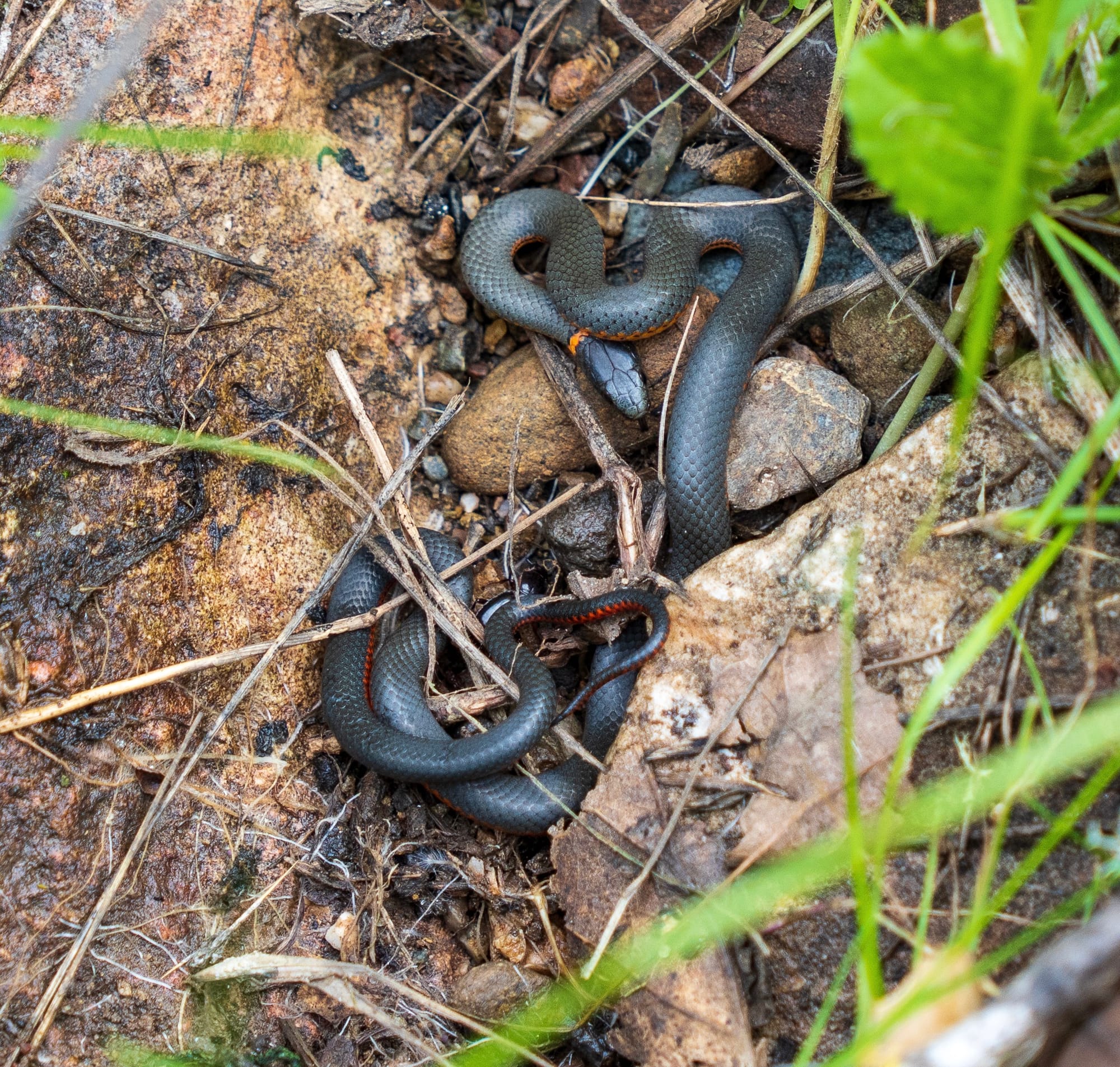
Ring-necked Snake and Others: North Bay is also home to small, secretive species like the Pacific Ring-necked Snake (tiny blackish snake with a bright orange belly and a yellow ring around its neck) and Sharp-tailed Snake (a very small, worm-like snake that eats slugs). These are hard to find unless you’re flipping rocks in moist woods or gardens. They are totally harmless and very cute, but rarely seen by casual hikers because of their secretive nature. If you turn a rock in a damp area and find a slender 6-inch snake with an orange underside – that’s a ring-neck! They sometimes play dead when scared. Consider yourself lucky to see one – gently replace its cover and let it be.
Snake Encounters – Concluding Thought: Whenever your family encounters a snake, whether a big gopher snake or a tiny ring-neck, take time to appreciate it. Snakes have an undeserved bad reputation, so by observing them calmly you can teach kids to replace fear with fascination. Emphasize how each species helps the environment (e.g., rodent control, part of the food web) and how we are privileged to see them. Also, finding a snakeskin shed on a trail is a cool discovery – it means a snake was there, even if you don’t see the animal itself. You can examine the shed skin (which shows the scale patterns) and then leave it behind for nature to recycle.
Amphibians
The North Bay’s wetter habitats are home to a variety of amphibians, which include frogs, toads, newts, and salamanders. Amphibians generally need water or moisture, so think streams, ponds, marshes, and rainy forests. Here are some highlights of species you and your kids might discover:
Pacific Treefrog (Pacific Chorus Frog) (Pseudacris regilla, sometimes classified as Pseudacris sierra): This is the tiny frog responsible for the classic “ribbit, ribbit” calls we often hear at night. In fact, the Pacific Treefrog’s call is so iconic that Hollywood adopted it – out of thousands of frog species, it’s the only one that actually says “ribbit,” and that sound was used in old movies, making people associate all frogs with “ribbit”!. These little frogs come in green, brown, or tan colors and have a dark stripe through their eye. They’re small (about 1-2 inches) but loud for their size. Kids may find them around any pond, slow stream, or even garden water feature. In spring, the males gather and call “rib-bit” (which is really a crek-ek sound) near shallow water after rains, trying to attract females. Look for tiny eggs or tadpoles in ponds – chorus frog eggs are laid in small clusters attached to vegetation underwater. A fun activity is to carefully scoop up some water in a clear container and see if you caught any tadpoles (many will likely be Pacific Treefrog tadpoles if near a breeding pond). Just be sure to return them gently. These frogs also have sticky toe pads for climbing – they can climb vegetation and even walls. On wet nights, you might spot one climbing a window hunting insects! They’re very common; even if you don’t see one, you almost certainly will hear them in North Bay wetlands. Encourage kids to mimic the ribbit call and listen for a response. Treefrogs are a great species for children to start identifying by sound and sight. They contribute to the soundscape of spring and are a key food for snakes, birds, and other animals. Unfortunately, in some urban areas their numbers have declined due to habitat loss and pollution – a reminder of why it’s important to maintain clean ponds and wetlands.
California Newt (Taricha torosa) and Rough-skinned Newt (Taricha granulosa): Newts are a type of salamander that spend part of their life on land and part in water. In Sonoma, Marin, and Napa, we are lucky to have three species of Taricha newts – the California (or Coast Range) Newt, the Rough-skinned Newt, and even the very localized Red-bellied Newt in certain Sonoma streams. These newts look quite similar: typically brownish back and bright orange or yellow belly. They have a lizard-like body but with rough (dry) skin. In winter and early spring, during the rains, newts migrate en masse to ponds and streams to breed. You might see dozens of newts crossing trails or roads on wet days, or swimming in pond shallows in a jumbled “newt ball” during mating. Newts are relatively slow-moving and easy to observe – they often walk determinedly with an endearing stomp. However, do not let kids handle newts bare-handed unless absolutely necessary, and certainly nobody should ever put a newt near their face or mouth. Why? Because newts produce tetrodotoxin (TTX), one of the most potent toxins on earth, in their skin. It’s the same toxin found in pufferfish. This toxin makes newts taste deadly to predators (and can kill a human if ingested). That said, it’s only dangerous if swallowed or enters through a cut – simply touching a newt won’t harm you as long as you wash your hands and don’t touch your eyes or mouth. So newts are a great lesson in “look but don’t lick” – we admire their bright orange belly (which is nature’s warning coloration) and gentle demeanor, but we respect their chemical defense. Fun fact: There’s an often-told myth of a group of hikers who died from accidentally brewing coffee with newt-contaminated water – illustrating the toxin’s power. True or not, it underscores that you should never eat or kiss a newt! Instead, take pictures. Newts often freeze and pose when encountered (or they’ll do a defensive “unken reflex” showing off their orange belly to warn you). They’re fairly abundant in the right habitat: check moist wooded parks with ponds/streams like Helen Putnam Park in Petaluma, Cataract Falls trail on Mt. Tamalpais, or Bothe-Napa Valley State Park in Napa. In summer, newts estivate (hide) on land, so you’ll see them mainly in the wet season. If you find one on the trail, you can gently help it off the path with a leaf if needed (with wet hands or gloves), but remember the toxin and wash afterward. These creatures can live well over 20 years and often return to the same breeding pond each year. Watching newts crawl through a redwood forest after rain can be magical for kids – like little orange dinosaurs on a mission.
Ensatina Salamander (Ensatina eschscholtzii): Ensatinas are small lungless salamanders often found in moist forests. In the North Bay, the Yellow-eyed Ensatina is the local subspecies – usually orange-brown with yellow eyes. Ensatinas live under logs, bark, and rocks in oak woodlands and redwood groves. They have a distinctive constricted tail base (where they can detach their tail if grabbed). They also secrete a sticky, milky substance from their tail if threatened, which gums up predators. Ensatinas don’t need water bodies to breed; they lay eggs in moist cavities on land. You might find an Ensatina by carefully overturning a log in a damp area (especially at night or after rains). They are delicate – if you see one, just observe or at most let it crawl on your wet hand briefly. Kids often think they look like tiny lizards or worms at first. Ensatinas show that not all salamanders are found in water; many live their whole lives on the forest floor. Marin, Sonoma, and Napa all have Ensatinas in suitable habitats (e.g., under logs in Sonoma Mountain woodlands, Marin Municipal Water District forests, etc.). They’re a bit harder to find than newts or treefrogs, but a keen-eyed explorer might get lucky. They’re great for teaching about amphibian life cycles and the importance of wet forests.
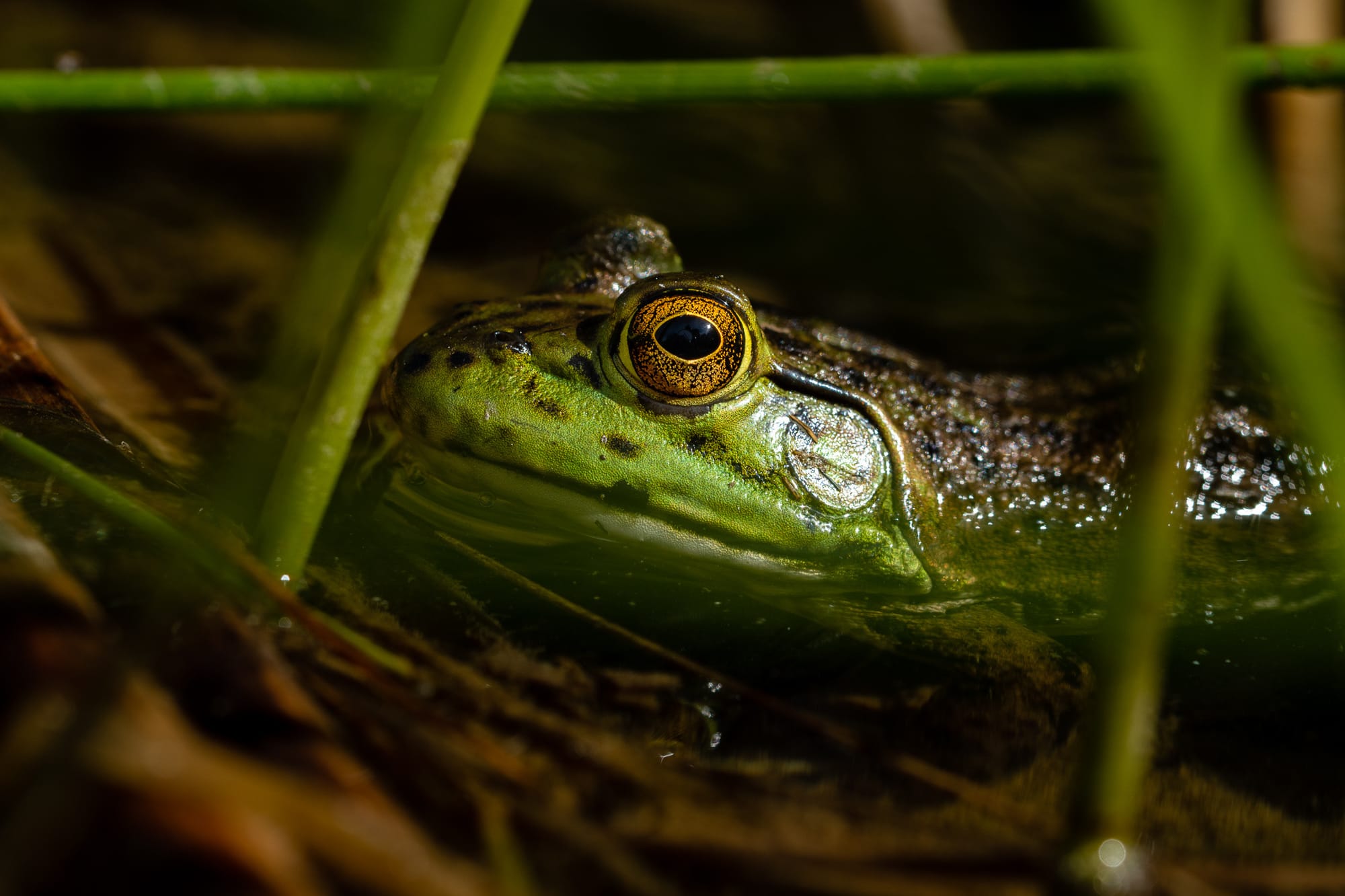
California Red-legged Frog (Rana draytonii): This frog is famous (the largest native frog in CA and the star of Mark Twain’s story “The Celebrated Jumping Frog of Calaveras County”), and it does occur in the North Bay – particularly in Sonoma, Marin, and Napa ponds. However, it is Threatened (protected) and not as commonly seen. It’s a big brownish frog with red on its underlegs. Places like Point Reyes and certain cattle ponds in Sonoma have populations. If you by chance see a large frog leap into a pond with a flash of red on its legs, it could be a red-legged frog. Since they’re protected, just observe from afar. It’s worth mentioning to kids that this special frog was once abundant but now needs our help (habitat protection) to survive. Many parks have signage about them if present. But realistically, most of the frogs you’ll see are the smaller Pacific Treefrogs or perhaps Bullfrogs (unfortunately, the American Bullfrog, a large invasive species, is common in many ponds too – they’re the big green ones that bellow loudly and are not native).
Western Toad (Anaxyrus boreas, a.k.a. California Toad): These toads are found in the North Bay, though they require some luck to spot. They have dry, warty skin and are brown or gray with lighter stripe down the back. Toads often forage at night for insects. If you do a nighttime herp walk in spring, you might encounter a toad hopping along a path near a pond (or see their long strings of eggs in the water, which look like black pearls in gelatin). Western toads have parotoid glands that secrete a mild toxin to deter predators – so again, hands off, and wash after any contact. They are very cute in their own gruff way. Kids might find toads in more upland areas too, away from water, especially after rains. Listen for their call – a short chirr or peeping sound, not as iconic as the frog’s ribbit. Western toads are species of concern in some areas, but still present in the North Bay. The Rush Creek wetlands in Novato have been known to host toads, and so do some Sonoma ponds. If you see one, count the “wart” spots – that can be a game.
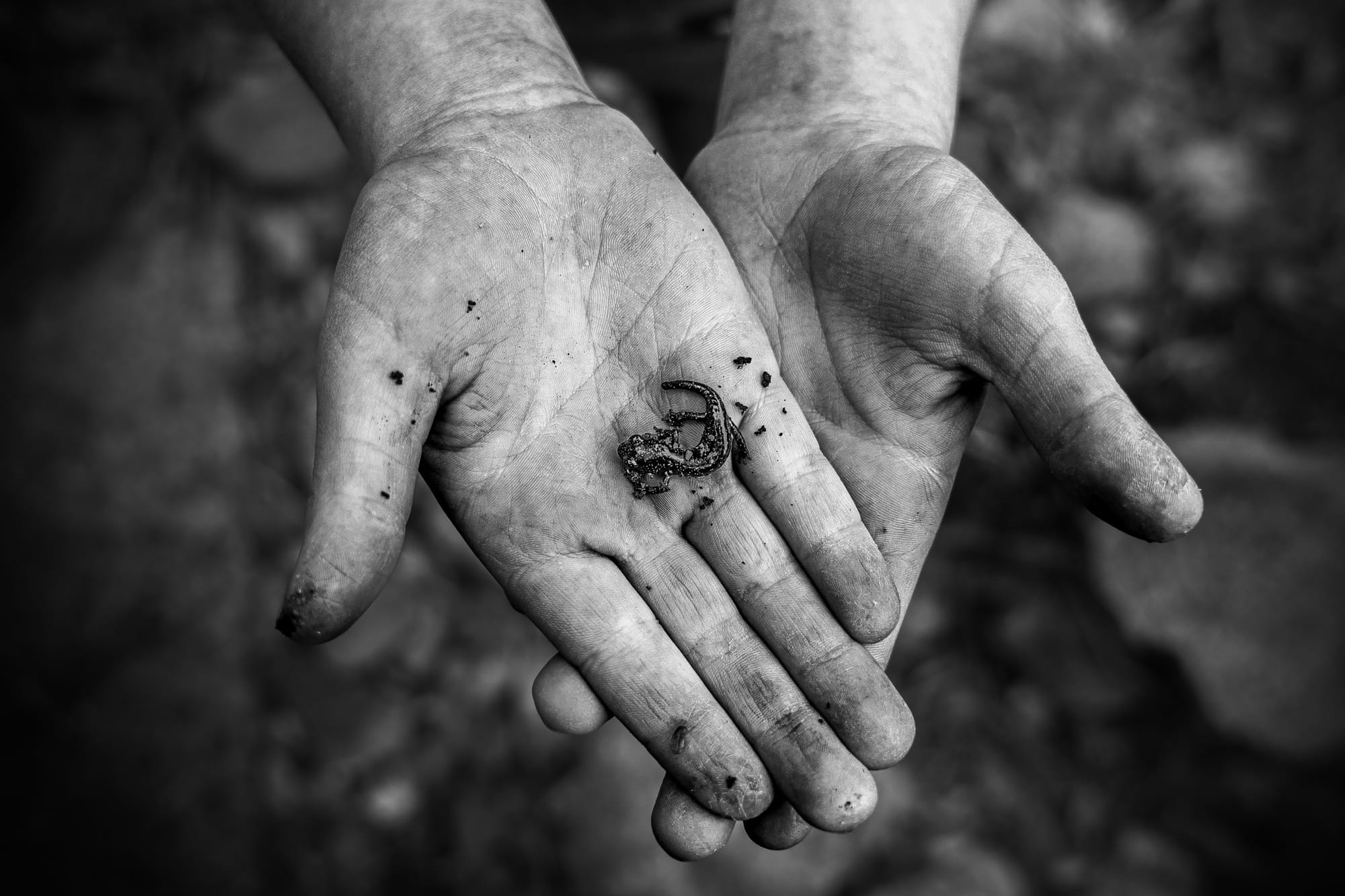
Salamanders – others: Besides Ensatina, we have Arboreal Salamanders (a chunky brown salamander with white spots that often lives in trees or under logs; they can climb surprisingly well and even show up in garages), and Slender Salamanders (tiny worm-like salamanders with no lungs, extremely common under almost every log or stone in moist areas – Marin and Sonoma have lots of them). Arboreal Salamanders have a strong bite and will squeak if annoyed; Slender Salamanders are harmless and coil up tightly when scared. These are neat to find during the rainy season. They emphasize how diverse salamanders are – from newts that swim to salamanders that climb trees! The Arboreal Salamander is often seen in suburban yards near wildland edges; they sometimes come out on humid nights to hunt insects on porches. Keep an eye out for a lizard-like shape with smooth skin, and you’ve found one.
Pacific Giant Salamander is a big one (can be 8 inches or more) found in certain cold streams in Marin and Sonoma, but they’re quite elusive and usually only encountered by dedicated herpers or lucky hikers near creeks in places like the Occidental area or Mt. Tamalpais. If you ever find a huge brown marbled salamander in a stream, that’s a Giant Salamander – definitely a “wow” find, but they also have a painful bite so they’re best left alone. Marin County is actually a bit of a haven for them in some creeks.
In summary, the North Bay’s amphibians range from tiny treefrogs to toxic newts. They are generally easiest to find in the wet season and around water. A family outing to a pond in spring might yield tadpoles, frog calls, and maybe a glimpse of a salamander under a log – all great experiences to nurture a child’s sense of wonder. Remember to stress gentle observation: for instance, if your child scoops tadpoles in a jar, that’s fine for a quick look, but then release them gently back (and don’t mix them between ponds). Observing amphibians also offers a chance to discuss their dual life (water and land) and why they’re sensitive to pollution (their absorbent skin). If you want to extend the learning, you can even have kids measure water temperature or test pH as “junior herpetologists,” connecting how environment affects these critters.
One more fun kid-friendly fact to share: When you hear frogs at night in movies, it’s usually the sound of our Pacific Treefrog – so the frogs in your backyard are literally Hollywood’s go-to frog sound! That often delights children, knowing the famous “ribbit” is actually a local voice.
How to Teach Kids to Interact Respectfully with Wildlife
Herping is not just about finding reptiles and amphibians – it’s also a perfect opportunity to teach children respect for wild creatures and nurture their curiosity and caring. Here are some tips on making your herping adventures meaningful learning experiences:
- Encourage discovery and questions. Herping is a fantastic way to spark curiosity. When your child finds a newt or snake, encourage them to ask questions: Why is the newt orange underneath? How do snakes move without legs? Why is that lizard doing push-ups? Every question is an opening to discuss biology and ecology at an age-appropriate level. You don’t need to have all the answers – part of the fun is wondering together and maybe looking it up later. Cultivating that sense of wonder will make them more engaged learners. As one educational source notes, exploring wildlife nurtures awe and gratitude for life’s variety. You might even have them keep a nature journal of their herping trips, writing down observations and questions to investigate. This kind of active learning makes the experience stick and can integrate with what they learn in science class.
- Use tools like photography and drawing. Equip your child with a simple camera (or your phone under supervision) to take pictures of the animals they find. Photography is a great non-intrusive way to “capture” a sighting. Later, you can make a scrapbook or digital album of “Our Herp Adventures,” which kids can show to friends or classmates. Alternatively, bring along colored pencils and let them sketch a frog or snake in the field – art can cement their observation skills. Drawing a salamander’s spots or a snake’s pattern makes them pay attention to details, and it’s a calming activity if you’re quietly waiting by a pond. These creative approaches also underscore that we value the animals enough to spend time observing and recording them, rather than just a fleeting poke-and-run. Plus, it’s fun!
- Practice citizen science. If your kids are a bit older (upper elementary and above), consider getting them involved in citizen science platforms like iNaturalist. You can have them help you take a photo of each species you encounter and later upload it to the iNaturalist app or website, contributing to real scientific data about species distributions. It’s like a modern scavenger hunt crossed with a science project. By doing so, kids learn that their observations matter and can help scientists track wildlife. It fosters a sense of stewardship and connection to the scientific community. Just be cautious not to geotag sensitive species (the app will often obscure exact locations for threatened species automatically).
- Highlight the animal’s perspective. When observing a herp, gently talk about what that creature might be doing or “thinking.” For example, “This turtle is basking on the log to warm up – it doesn’t have a coat like we do, so it needs the sun. We should move slowly so we don’t scare it back into the water.” Or, “That snake is flicking its tongue – it’s actually smelling the air to check if we are dangerous or not.” By narrating the animal’s experience, you help children build empathy and understanding. They start to see wildlife as fellow living beings with their own needs and behaviors, not toys or monsters. This approach can transform a child’s fear into fascination – a kid who was scared of snakes might feel better knowing the snake is just hunting a mouse and wants nothing to do with people.
- Connect it to conservation. Without turning a fun outing into a lecture, you can still drop in simple conservation messages. For instance, if you find trash near a pond, mention how frogs need clean water and maybe do a quick cleanup (with gloves). If you see a dead newt on the road (sadly common on rainy nights), you can gently explain that cars are a hazard for migrating amphibians, which is why some places have “Newt Crossing” signs or road closures. Celebrate the success stories too: talk about how community efforts have brought back habitats or how a particular park protects these creatures. Perhaps mention that Marin County ponds are a safe haven for the threatened California red-legged frog – how cool that your local park is helping an animal that’s rare elsewhere! When kids learn about challenges like pollution or habitat loss, it can inspire them to be part of the solution, nurturing that environmental stewardship. But keep the tone hopeful: emphasize that by doing simple things (not littering, respecting wildlife, supporting parks) your family is helping these animals thrive.
- Make it fun and game-like. You can gamify herping to keep kids engaged. Maybe create a “Herping Bingo” card with pictures/names of common animals (lizard, snake, frog, track, feather, etc. – mix in other nature finds) and see if you can get a bingo. Or have a friendly competition: who can spot the first lizard? Who will be the “frog finder” of the day? Some families even do a “life list” (like birders) where you keep a list of all species you’ve seen together – this can be a long-term project that encourages kids to explore new places to find new species. Celebrate each find with a fun name – “That’s our first king snake, high five!” This approach, while playful, actually reinforces observational skills and knowledge. It’s like a treasure hunt every time.
- Lead by example. Children take cues from adults. If you show excitement about even the little creatures (like, “Wow, look at this beautiful little salamander, isn’t it amazing?”) they will mirror that excitement. If you calmly handle situations (like a surprise snake encounter) with respect rather than panic, they will learn to remain composed and appreciative. Share your own sense of wonder – maybe you grew up not knowing these animals were here, and now you get to discover them with your kids. Let them know you’re learning too. Perhaps say, “I didn’t realize how many frogs lived in this pond until we stopped to look – I’m so glad we did this!” That atmosphere of shared exploration is infectious.
Ultimately, herping with kids isn’t just about finding reptiles and amphibians – it’s about raising nature-aware, compassionate individuals. By engaging in this activity, you are awakening their innate curiosity and care for living things. Today it might be a newfound love for lizards; tomorrow it could be a drive to save rainforests or study biology. You never know where a childhood spent flipping over creek rocks might lead – perhaps a future herpetologist or conservationist is in your family! Even if not, the values of patience, respect, and joy in nature will benefit them their whole lives.
So celebrate every slug, every tadpole, every snake skin you come across. These are teachable moments and memory-makers. Take a lot of photos, ask a lot of questions, and treasure the look in your child’s eyes when they gently peer at a frog or hold their first salamander (with wet hands!) and realize it’s alive and we’re letting it go free. Those are the experiences that build lifelong nature lovers.
Local Herping Spots in the North Bay
You might be wondering where to take your family for a fun herping excursion. Fortunately, the North Bay has many parks and preserves where reptiles and amphibians abound. Here are 5 family-friendly herping locations in Marin, Sonoma, and Napa Counties (with links to official info) to get you started:
- Deer Island Open Space Preserve (Marin County) – Located in Novato, Deer Island Preserve is a 154-acre oak woodland “island” amid wetlands. It offers an easy 2-mile loop trail. The grassland and oak habitat is home to Western Fence Lizards and Northern Alligator Lizards, and it’s noted as a great spot to look for Gopher Snakes and alligator lizards in the grasslands. The trail is fairly level, good for younger kids. Keep an eye out for fence lizards doing push-ups on logs and gopher snakes crossing the path. In spring, parts of the trail get muddy – perfect for finding frog tracks or seeing newts. Because it’s adjacent to wetlands, you may also hear Pacific Treefrogs and see aquatic critters at the edges. As a bonus, the preserve has deer (hence the name) and lots of birds. There are no facilities on-site (no restrooms or water), so come prepared. Parking is along the road by a gate on Deer Island Lane. It’s a quiet spot that feels surprisingly wild given its proximity to town. Tip: In the late spring, look under pieces of fallen bark along the trail – you might find slender salamanders or even a ring-necked snake. And check any ponded water for tadpoles!
- Rush Creek Open Space Preserve (Marin County) – On the northern edge of Novato, Rush Creek Preserve protects 500+ acres of wetlands and adjacent woodlands. It’s one of Marin’s best birding spots, but also excellent for herps. A flat fire road trail (great for young kids and strollers) runs along the wetlands. Rush Creek is a hotspot for amphibians – after rains, look for California Newts crossing the paths or Western Toads near the marsh edges. You’re likely to see Western Fence Lizards darting off the open trail. Closer to the oak hills, Alligator Lizards and Pacific Ring-necked Snakes have been found. In spring, listen for a chorus of Pacific Treefrogs calling from the marsh in the evening. The preserve has interpretive signs and is easily accessible (parking at Binford Road trailhead or Bahia trailhead). No restrooms on site, though. Bring binoculars – you might spot a turtle in the water or a snake swimming (yes, garter snakes swim!). Because it’s a multi-use trail, you may see cyclists and dog-walkers, but wildlife sightings are still plentiful if you go at calmer times (morning or late afternoon). This preserve is large and connects to others, so you can extend your exploration if kids are up for it. But even a short stroll can yield lots of discoveries.
- Tolay Lake Regional Park (Sonoma County) – Opened in 2018, Tolay Lake Regional Park is Sonoma County’s largest regional park, spanning 3,400 acres of rolling grasslands, seasonal wetlands, and creek canyons southeast of Petaluma. It’s a fantastic herping location because of its habitat diversity. The park has a history of hosting the Tolay Fall Festival with reptile exhibits (including live rattlesnakes), showcasing the area’s reptile heritage. On the trails, you can look for Northern Pacific Rattlesnakes (be cautious, especially on rocky outcrops – they are known to live here, though they avoid heavily used trails) and California Kingsnakes, as well as Gopher Snakes and Western Fence Lizards. The park’s namesake seasonal lake and Tolay Creek support amphibians like Pacific Treefrogs and Bullfrogs (bullfrogs are invasive, but kids will still find them interesting). In spring, wildflowers and insects abound, attracting lizards and snakes out to hunt. The terrain is mostly open grassland – bring hats and water as it can get hot. Trails range from easy near the valley floor to moderate in the hills. Note: the park was once accessible by permit only, but is now fully open to the public daily (7am to sunset). There is an $7 parking fee. Facilities include portable restrooms and picnic areas. For a family outing, consider the Causeway Trail around the seasonal lake – it’s relatively flat and scenic. Along that trail, watch for basking Western Pond Turtles and garter snakes in the water. In the grass, you might find shed snake skins. Education angle: This park has interpretive signage about the Native American history and wildlife of the area, so it’s an enriching experience on multiple levels. Keep your herp eyes peeled and you might glimpse the “lord of the grassland” – a kingsnake – or hear the buzz of a rattler warning from a distance. Always supervise closely in potential rattlesnake habitat and stick to wide trails (good thing Tolay has many wide ranch roads as trails). The wide trails also make it easier to spot any reptiles crossing. Tolay’s expansive landscape offers a sense of adventure – your kids might feel like wildlife explorers out there!
- Bothe-Napa Valley State Park (Napa County) – Bothe-Napa Valley State Park is a gem in the upper Napa Valley (near Calistoga) with dense forests of redwoods, oaks, and madrones, plus a year-round stream (Ritchey Creek). It’s a moist, shaded environment perfect for salamanders and newts. Indeed, hikers have reported seeing Rough-skinned Newts, Arboreal Salamanders, Western Skinks, and Alligator Lizards along the trails here. On a spring morning, you might find Rough-skinned Newts (which are very similar to California Newts) in the creek or walking among the redwoods. The creek also has frogs and toads, and if you’re lucky you might spy a California Giant Salamander in or near the water – they’ve been observed in this park’s creek (though they’re elusive). Pacific Treefrogs will be around the ponded areas, and you might hear them at dusk. Bothe-Napa Valley has an extensive trail network; for families, the Redwood Trail or the History Trail (to the Pioneer Cemetery) are manageable and scenic. The park has a picnic area, campsites, and even a swimming pool (in summer). Restrooms and water are available. Because of the park’s heavy tree cover, you won’t see as many sun-loving lizards here, but you might catch Alligator Lizards and Skinks slipping around the logs. Also keep an eye out for California Slender Salamanders under rocks. Safety note: Poison oak is common under redwoods – learn to recognize it (“leaves of three, let it be”) and dress kids in long pants. This park is great for combining general hiking with herp-spotting; you can even camp overnight and do a night walk to listen for owls and croaking frogs. A morning after rain is prime time to see newts crossing trails here. Also, as a bonus for tired kids, Bale Grist Mill State Historic Park is next door (with an old mill) – not a herping spot, but a neat historical site. But the true highlights for nature are those damp woods – a chance to show kids salamanders in their element. Bring a flashlight to peek under boardwalks or into stream pools for amphibian eyeshine!
- Sonoma Valley Regional Park (Sonoma County) – Sonoma Valley Regional Park in Glen Ellen is a smaller park (approximately 200 acres) but accessible and family-friendly. It has a mix of grassland and oak woodland, with a flat paved trail (great for strollers) and side dirt trails. A little creek runs through it (Carriger Creek) and there’s a pond. Why go herping here? The mix of habitats means you can find Western Fence Lizards and Southern Alligator Lizards in the grassland areas (often seen sunning on the edges of the paved trail) and possibly Garter Snakes near the pond. Local hikers have noted seeing Gopher Snakes here as well. After rains, Pacific Treefrogs breed in the pond (listen for calls), and you might see California Newts or Slender Salamanders under logs by the creek. It’s a convenient spot because it’s right off Highway 12 in Sonoma Valley and has a parking lot, restrooms, and picnic tables. The main loop isn’t too long (~1-2 miles), so it’s good for young kids. You can do a scavenger hunt: count how many lizards scurry off the path or see if you can spot turtle heads poking out of the pond (the pond sometimes has Western Pond Turtles). Because it’s a multi-use park, there will be other visitors, but wildlife still thrives. Mornings or late afternoons are best for avoiding heat and crowds. This park is also near other attractions like Jack London State Park (which has its own forests and streams with newts and frogs, but is larger and more rugged for little kids). Sonoma Valley Regional Park provides a gentle introduction to herping – an accessible trail where kids can run a bit, then stop and crouch to watch a lizard do push-ups. Educational bonus: The park often has interpretive signs about local flora/fauna which can supplement your lessons about habitat. It also demonstrates how wildlife and recreation coexist.
These are just a few of many options. Other places you might explore include Laguna de Santa Rosa trails (Sonoma; great for frogs and turtles in the wetlands), Ring Mountain (Marin; known for snakes among the rocks), Foothill Regional Park (Sonoma; ponds with turtles and newts), or Mount Tamalpais Watershed lands (Marin; newts galore on rainy nights near Lake Lagunitas). For a more guided experience, check if local parks offer ranger-led nature walks focusing on reptiles/amphibians – sometimes in spring, parks like Sugarloaf Ridge or local nature centers will have “snake talks” or “frog night hikes”.
When going to any of these spots, check park websites for any alerts, and respect rules (some parks don’t allow off-trail exploration, which can limit flipping logs, etc., so just stick to what’s allowed). Always supervise children, especially near water or if there’s any possibility of encountering rattlesnakes.
Above all, enjoy the journey! Each of these locations offers not just the chance to find herps, but also beautiful North Bay scenery – from sweeping bay wetlands to tranquil redwood groves. Pack a picnic, your binoculars, maybe a magnifying glass for close inspection of critters, and set out on your family adventure.
Happy herping! With this guide, you’re equipped to introduce your kids to the amazing world of reptiles and amphibians in our region. By following best practices and local tips, you’ll create memorable outdoor experiences that educate and inspire. Who knows – today’s afternoon of flipping rocks for salamanders could spark a lifelong passion for nature in your child. At the very least, you’ll have fun, get a bit muddy, and see the wonder of the natural world through youthful eyes, right here in the Bay Area’s backyard. Enjoy your explorations, and may you spot many slithering, hopping, and crawling friends on the trail!