San Francisco Children’s Art Center: Kids Art Classes and Camps in San Francisco
 Jessie Feller
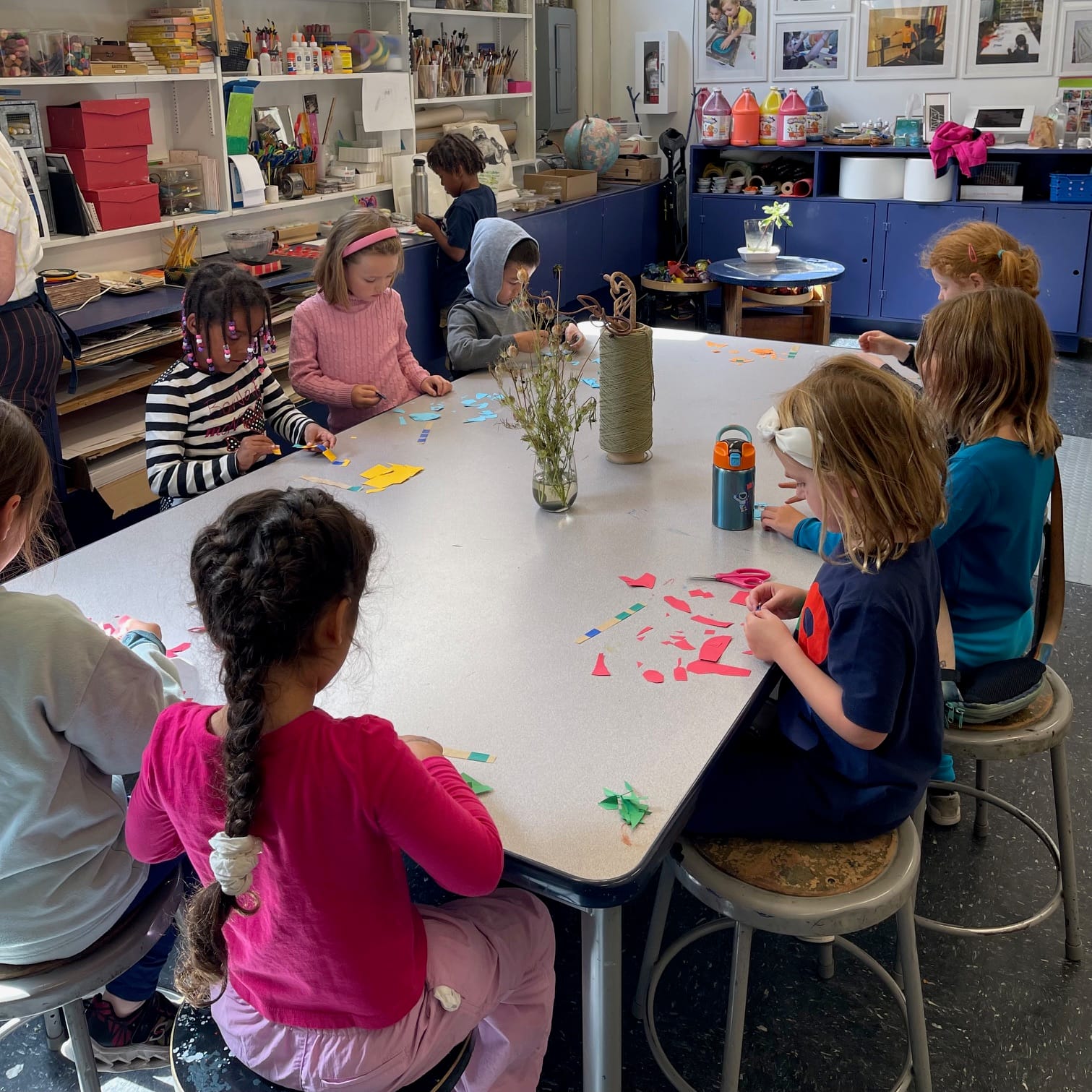
In a city celebrated for creativity, the San Francisco Children’s Art Center (SFCAC) stands out as a beloved institution for young artists. Founded in 1978 and located at Fort Mason Center in San Francisco, SFCAC is a nonprofit art studio offering kids art classes and camps in San Francisco that nurture imagination and confidence. From weekly art classes during the school year to immersive summer art camps, the center provides a safe, hands-on space where children (toddlers through elementary age) can explore painting, sculpture, drawing, and more under the guidance of professional teaching artists. This guide explains what the Children’s Art Center offers and why it remains a go-to resource for local families seeking enriching creative activities for their kids.
About the San Francisco Children’s Art Center
The San Francisco Children's Art Center has a rich history and a clear mission. It was founded in the mid-1970s by local artist Diane “Andy” Meyer Levy, who envisioned making creative self-expression accessible to all children in the city. Originally based in Ghirardelli Square (and later on Polk Street), the organization became a 501(c)(3) nonprofit in 1978 and moved to its permanent home at the Fort Mason Center for Arts & Culture. For over 45 years, SFCAC has been nurturing a love of art in San Francisco’s youth, empowering children to foster their own sense of self through artistic exploration.
What distinguishes SFCAC from a typical art class is its child-centered, process-oriented approach. Rather than have kids all make the same craft, SFCAC programs emphasize open-ended creativity—children are encouraged to experiment with paint, clay, collage, and other materials freely, without prescribed “right” methods of representation. Teaching artists guide students to trust their creative instincts and express their ideas in their own unique way. Through this approach, kids develop language to share their stories, learn to solve challenges, and connect authentically with others as they create. This focus on process over product helps build creative confidence and results in artwork as individual as each child.
As a community-based nonprofit, the Children’s Art Center also plays a special role in San Francisco’s arts ecosystem. It has been an anchor tenant at Fort Mason since 1978, surrounded by other arts and cultural organizations. Beyond the studio classes and camps, SFCAC provides artist residencies in local preschools and elementary schools and participates in public events to bring art to the broader community. Each year the center serves roughly 1,200 children across San Francisco through its various programs. SFCAC’s long-standing commitment to access and equity means it strives to welcome families from all backgrounds – a legacy you can feel when you walk into its vibrant studio full of children’s artwork on the walls.
Kids Programming: What Parents Can Expect
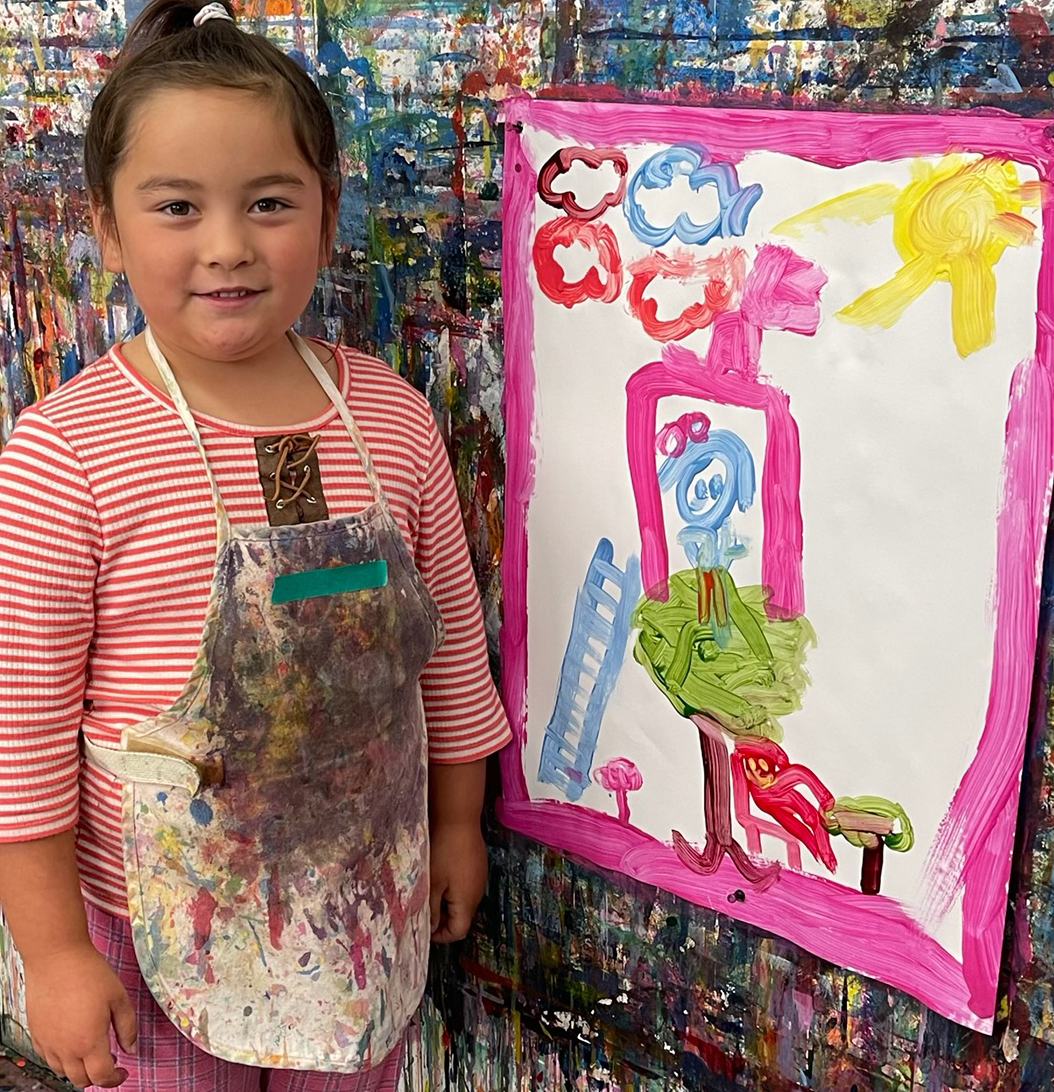
SFCAC offers year-round programming tailored to different age groups, all rooted in playful, hands-on learning. Weekly classes are organized by age and developmental stage. For example, “Side by Side” toddler classes invite children around 2–3 years old to explore art with a parent or caregiver participating alongside. These parent-and-child sessions let toddlers get messy with paint and clay in a safe setting, while grown-ups learn how to support their little one’s creative discovery. As kids grow, they can transition into drop-off classes: preschoolers (around ages 3–5) join small-group art classes where they attend independently for short sessions (typically 1 to 1.5 hours), and early elementary kids (ages 6–10) can enroll in more advanced workshops that delve into specific media or themes. Whether it’s a pre-K Art Studio class or an after-school “Creativity in 3-D” sculpture class for 1st–5th graders, the emphasis is on experimentation and skill-building appropriate to the age group. Classes usually meet once a week, with options on weekdays (including after-school times) and weekends, so families can find a schedule that fits. Group sizes are kept small to ensure each child gets personal attention and feels “seen” by the instructors.
No matter the age or format, SFCAC classes are truly process-driven. Sessions often include a mix of open studio time—where kids choose their materials and follow their imagination—and gentle guidance from teaching artists who introduce new techniques or ideas. Children might paint at an easel, build sculptures from clay or recycled cardboard, experiment with printmaking, or work on a group mural. The atmosphere is purposeful but playful: there’s no pressure to produce a perfect finished product. Instead, kids are encouraged to try things out, get a little messy, and talk about what they’re making. Instructors prompt young artists with questions and foster reflective dialogue among peers, helping kids develop critical thinking and problem-solving skills through art. Over time, you can see students gaining confidence in their choices – they learn that there are endless ways to be creative. Parents often notice that this kind of class not only teaches art techniques (like how to mix colors or use a paintbrush) but also helps children grow in patience, independence, and collaboration.
In addition to ongoing classes, SFCAC is known for its seasonal art camps – especially the summer camps that delight San Francisco kids each year. Summer art camps at the Children’s Art Center are typically week-long day camps (often running about 10 AM to 4 PM each day) that immerse elementary-age children in creative projects around a fun theme. Each week’s camp has a unique focus, blending art with other interdisciplinary ideas. For instance, one camp week might explore art through a science lens, where kids experiment with paint and simple science concepts, observing and painting the world around them to learn about nature. Another week might center on mixed-media storytelling, such as a photography and book-making camp where children take digital photos and then create storybooks and collages with their images. There are camps that dive into specific art forms – like a printmaking and sculpture camp where mornings might be spent stamping and screen-printing, and afternoons building 3D creations out of wood, wire, or clay. One particularly popular offering, “Land, Sea & City,” combines studio art with outdoor inspiration: children take field trips around the Fort Mason waterfront to sketch boats, nature, and architecture, then return to the studio to turn those observations into paintings and crafts. Every camp is taught by SFCAC’s engaging teaching artists and maintains the same process-oriented philosophy as the classes, just in a concentrated format. Campers get to experiment with a variety of media, play art games, enjoy outdoor breaks, and often showcase their projects in a mini art show at week’s end. These programs give kids a joyful, productive way to spend summer hours – parents love that camp kids come home excited (and maybe a bit paint-splattered) from a day of creative adventure. Because group sizes are limited and activities are so hands-on, kids receive lots of individual support and make meaningful memories with new friends.
Accessibility and Registration
Enrolling in a program at the San Francisco Children’s Art Center is designed to be convenient for busy families. Registration for all classes and camps is available online – families can browse current offerings and sign up through Enrichment.kids. It’s a good idea to plan ahead, especially for summer camps – many local parents start researching summer programs in the winter, and popular weeks at SFCAC can fill up by early spring. The center typically releases its seasonal class schedules a couple of months in advance of each session (e.g. winter classes, spring classes, summer camps, etc.), allowing families to coordinate with school calendars.
SFCAC offers a flexible enrollment structure. For weekly classes, you can register for a full multi-week session (usually aligning with a school semester or season), or if space permits, you may book single-day drop-in classes for a more casual commitment. This drop-in option is fantastic for newcomers who want to try out a class before signing up long-term – in fact, if you attend a trial class by drop-in and then decide to join the rest of the session, SFCAC will credit that drop-in fee toward your full enrollment. The ability to do make-up classes (when you miss a day) and to switch to virtual classes during public emergencies shows that the organization is responsive to family needs. When it comes to cost, SFCAC strives to remain accessible while sustaining its nonprofit operations. Prices for classes and camps are comparable to other high-quality arts programs (with multi-week classes running a few hundred dollars per session, and week-long camps in the mid-hundreds range), but the center provides a few financial breaks. Need-based scholarships are available for families who require financial assistance. SFCAC actively encourages families to reach out if cost is a barrier – as a mission-driven nonprofit, they want as many children as possible to experience art regardless of income. This commitment to accessibility, from the welcoming of drop-ins to offering scholarships, underscores the Center’s community ethos.
Once registered, you’ll receive details from SFCAC about what to bring (usually play clothes that can get dirty!) and any COVID-safety or drop-off instructions if applicable. The staff is communicative and happy to answer questions via email or phone as well.
An Important Community Resource
San Francisco parents have many choices for children’s activities, but the Children’s Art Center holds a special place in the community. At its core, SFCAC is about hands-on learning and creative growth in a way that few other programs match. In today’s digital-heavy world, having a space where kids can roll up their sleeves and paint, sculpt, and invent with tangible materials is invaluable. Kids at SFCAC learn to think creatively and independently – there’s no “template” they must follow, so they gain confidence in their own ideas and artistic decisions. This kind of creative confidence often carries over into other areas of life, helping children approach problems with imagination and resilience. Many a parent has observed their child apply skills from art class – like experimenting, persisting through mistakes, or collaboratively cleaning up – at home and school.
Another big draw is the sense of community connection that SFCAC fosters. Classes and camps become little communities where kids from different schools and neighborhoods bond over shared creativity. Because the teaching style encourages kids to discuss their art and work together, children develop social skills and friendships in the process. Parents, too, find community – whether it’s chatting with other caregivers during toddler classes or coming together at the end-of-camp art showcases to celebrate the kids’ creations. SFCAC’s presence at Fort Mason (a vibrant arts campus by the bay) also makes a visit to class feel special – families often picnic or play at the adjacent park after class, further rooting the experience in the local culture. The center frequently participates in free public art events and family workshops around the city, reinforcing the idea that art is for everyone and building bridges between the organization and local families.
Importantly, the San Francisco Children’s Art Center helps ensure access to the arts for kids at a time when school art programs can be limited. It is a champion of arts education as a vital part of childhood. The fact that SFCAC is a nonprofit (rather than a franchise or commercial studio) comes through in its priorities – the focus is on inclusion, personal growth, and community impact, not on selling merchandise or competitions. The instructors are artists and educators who truly understand how to engage children. Many have backgrounds in early childhood education or museum education, and it shows in the thoughtful way they scaffold activities for different ages. Parents trust SFCAC as an established, credible program (some of today’s moms and dads remember taking classes there when they were kids!). This multigenerational legacy – over four decades in operation – speaks to the center’s consistent quality and positive reputation.
In summary, the San Francisco Children’s Art Center offers more than just an art class for your child – it provides an environment where kids can unleash their creativity, build confidence, and feel part of a creative community. Whether your child is a budding painter, an avid doodler, or just a curious explorer, SFCAC’s classes and camps can spark their imagination in new ways. It’s a place where process and play lead to beautiful results, both on the canvas and within the child. For countless Bay Area families, SFCAC has become a trusted partner in raising confident, expressive, and arts-loving kids.
Quick Facts: San Francisco Children’s Art Center
- Location: 2 Marina Blvd, Building C (Fort Mason Center for Arts & Culture), San Francisco, CA
- Founded: 1978 – A nonprofit community art organization with 45+ years in service
- Ages Served: Toddlers through about 10 years old (programs grouped for 2-3, 3-5, 6-10 year-olds)
- Programs: Weekly art classes during the school year; week-long summer art camps (and occasional seasonal camps)
- Art Activities: Painting, drawing, collage, sculpture, printmaking, clay work, photography and more – always process-oriented and age-appropriate
- Teaching Approach: Child-centered and exploratory – focus on creative expression, problem-solving, and hands-on learning rather than final product
- Registration: Browse and book via Enrichment.kids. Sessions often fill up, so early registration is recommended (drop-in trials available for classes)
- Accessibility: Small class sizes; 10% sibling/multi-class discounts; scholarships available for families in need; community outreach programs and school partnerships across SF