Summer Camp San Francisco – Ultimate Guide to the Best Camps for Kids
 Jessie Feller
San Francisco offers an amazing variety of summer camps for children, especially those around ages 5–7, combining fun with learning. Whether you’re seeking a summer camp in San Francisco focused on science, nature, sports, or the arts, you’ll find a program that fits your child’s interests. In this guide, we analyze the current landscape of San Francisco summer camp options – from major well-known programs to hidden gems – so first-time camp parents can get a complete picture of what’s available this summer.
Overview of the San Francisco Summer Camp Landscape
San Francisco is home to dozens of camps catering to kids of all ages and interests. The Enrichment.kids directory alone lists a complete list of summer camps in San Francisco, with programs spanning arts, sports, STEM, and outdoor adventures. Parents can choose from traditional day camps run by community organizations to specialized niche camps run by experts in a particular field. Many camps are offered on a weekly session basis throughout June, July, and August. Some programs are half-day (morning or afternoon only), while others offer full-day schedules with extended care for working parents. No matter your child’s passion – be it nature, STEM, sports, or art – there’s likely a camp in the city that focuses on it.
Neighborhoods across San Francisco host camps. You’ll find programs in Golden Gate Park, the Presidio, Ocean Beach, downtown, and various community centers and schools throughout the Mission, Sunset, Richmond, and more. When browsing options, note the location since San Francisco traffic and transit can be considerations for drop-off and pick-up. The good news is that with so many choices, you can likely find a camp near your neighborhood or workplace.
In the sections below, we highlight major camp categories and examples of notable programs in each. We’ll also compare camp costs, hours, and provide a handy FAQ for parents. Remember to check the age ranges and camp hours for each program.
STEM and Science Camps in San Francisco
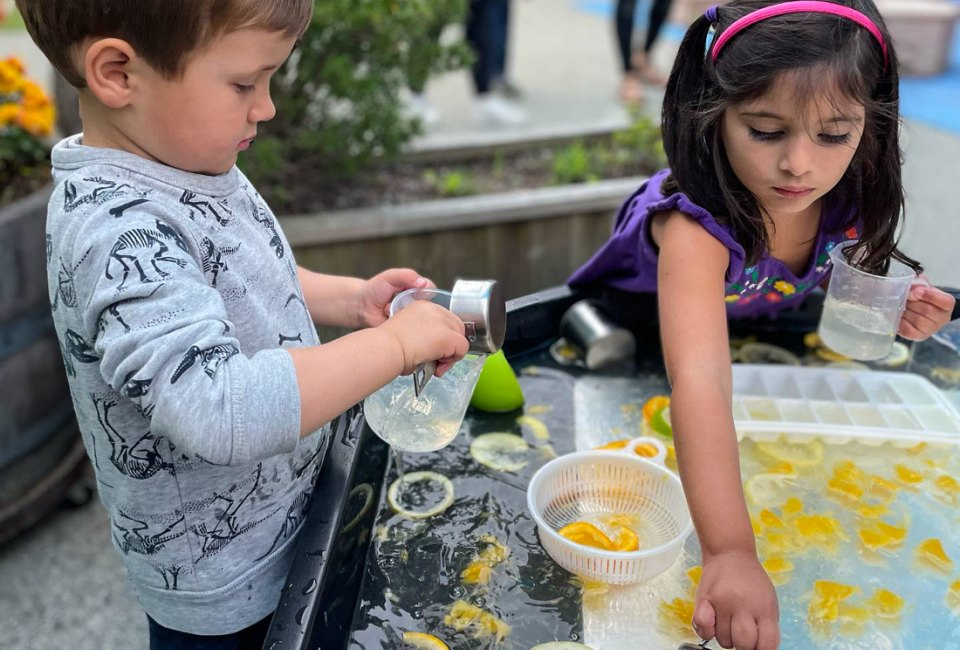
If you have a budding scientist or engineer, there are excellent STEM-oriented summer camps in San Francisco. One of the most popular is Camp Galileo (multiple San Francisco locations such as the Marina and Inner Sunset). Camp Galileo offers engaging STEAM projects and outdoor games for rising Kindergarteners through 5th graders. Kids do hands-on science experiments, art projects, and collaborative challenges in a fun theme-based curriculum. Galileo camps run roughly 9am–3pm, with extended care available, making it a great full-day option for working parents.
Another top tech camp is TechKnowHow, which runs LEGO® robotics and coding camps across the city. TechKnowHow is geared to ages 5–13 and offers week-long sessions where kids might build LEGO robots, learn Minecraft modding, or experiment with simple programming. These camps typically run 9am–3pm as well, with some offering separate morning or afternoon half-day options. With multiple sites in San Francisco (often at schools or community centers in neighborhoods like Noe Valley or Pacific Heights), it’s convenient for many families.
For older or more advanced young techies (usually starting at age 7+), iD Tech Camps host programs at local campuses. iD Tech is known for specialized courses in coding, game design, and robotics for elementary through teen ages. A 7-year-old might join a beginner coding class held at an inspiring venue like a university lab. These are full-day camps and tend to be pricier due to the specialized instruction and low student-to-teacher ratios.
Beyond the big names, San Francisco also has boutique STEM camps. For example, Celsius and Beyond (in the Richmond District) is a small science enrichment program offering science experiments and theory for kids around 6–12. STEMful in the Mission District is another option, especially for younger kids (ages 4–9), blending science with play in a preschool-friendly setting. These smaller programs often have very limited group sizes, which can be great for kids who learn better in a cozy environment.
Nature and Outdoor Adventure Camps
Many families want their city kids to get fresh air and explore the outdoors during summer. San Francisco has fantastic nature-oriented camps that make use of our parks, beaches, and even the zoo. A classic choice is the San Francisco Zoo’s “Zoo Camp,” which immerses children in animal science and conservation. Zoo Camp offers programs for PreK through 6th grade, with themes by age group – for example, kindergarteners become “Wild Animal Adventurers” while 1st-2nd graders might be “Earth Heroes” learning about conservation. Camps run in one-week sessions all summer. Kindergarten and older campers have a full day (9:00am–3:30pm) at the zoo, and the little ones (PreK) attend half-day mornings. Aftercare until 5pm is available for the older groups. Zoo members pay a bit less (around $500/week) than non-members (about $550/week) for the full-day camp. If your child loves animals, this camp in the Sunset District (Sloat Blvd by the ocean) provides a perfect mix of education and up-close animal encounters.
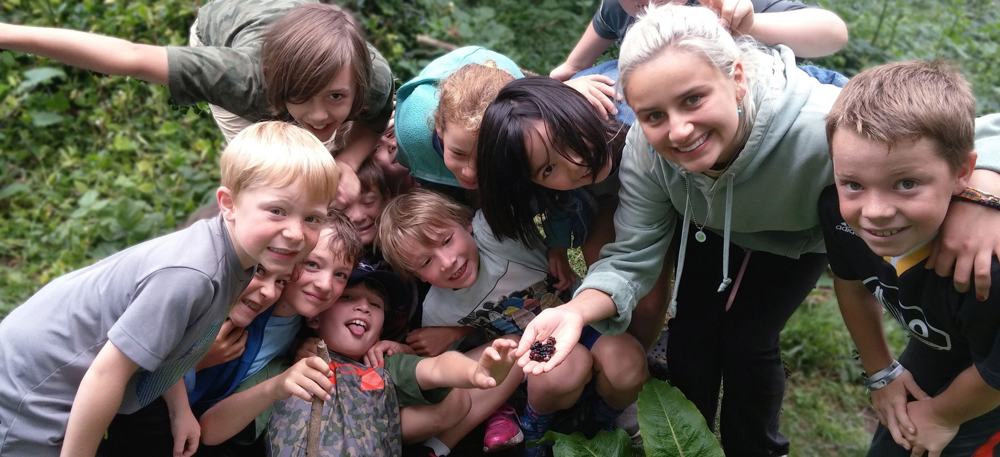
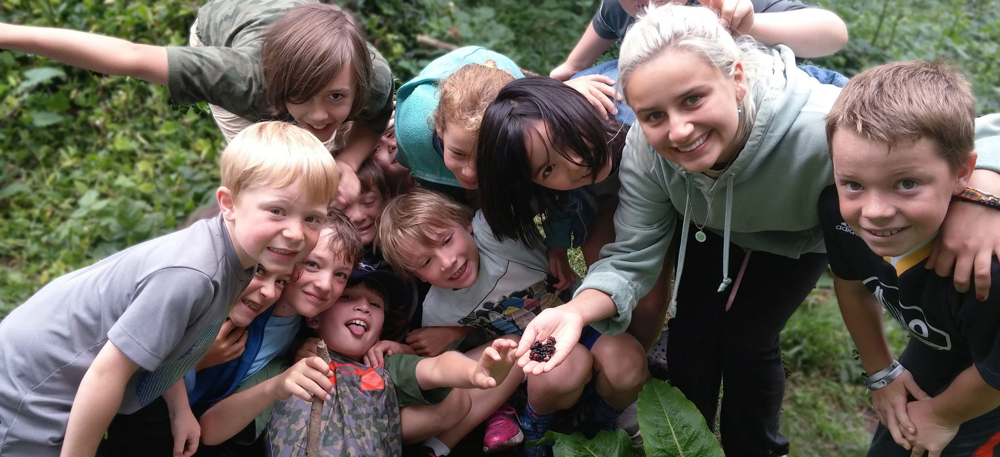
For pure outdoor adventure, consider Adventure Camp, a mobile day camp that’s been running in the Bay Area for over 50 years. Adventure Camp picks up groups of kids in passenger vans and takes them to different outdoor locations each day – one day might be Muir Woods, another day a San Mateo county beach, another hiking on Mount Tam. It’s like a field trip every day. This camp is 100% outdoors and great for ages 4–12 (campers are divided into age-appropriate groups). Typical hours are 9am–4pm, and they have central drop-off sites (often in the Presidio or Golden Gate Park) where counselors and vans meet parents each morning. With decades of experience, they focus on safety, fun, and fostering a love of adventure in the Bay Area’s natural wonders.
San Francisco’s own Recreation and Parks Department also runs affordable outdoor camps. In fact, some of the longest-running camps in the city are operated by Rec & Park – like Silver Tree Camp in Glen Canyon Park (Glen Park neighborhood) which has been around for generations. Silver Tree is a rustic nature camp where kids explore trails, play group games, and appreciate nature in a big urban park canyon. Rec & Park also offers Pine Lake Park camp (near Lake Merced) and Kezar Sports Camp in Golden Gate Park, among many others. These city-run camps cover interests from outdoor exploration to sports, “something for everyone” as the department puts it. They generally run from around 9am–3pm, and many are among the more budget-friendly options (often a few hundred dollars per session, with scholarships available for SF residents). Note that city camp registration usually opens in March and spots can fill fast due to high demand.
If your child loves hiking, climbing, and nature play, also look into Avid4 Adventure (which runs outdoorsy camps at Presidio and beyond) and Forest School programs like Forest Explorers or BEan Nature. One unique program is City Kid Camp, which is a 100% outdoor camp that treats San Francisco as one big backyard. They take kids on field trips to places like Lands End, the Presidio, and Golden Gate Park, teaching them to navigate the city’s natural spaces. City Kid Camp is geared for slightly older kids (ages 8–12), but it exemplifies the kind of outdoor adventures available. For the 5–7 range, Tree Frog Treks is a beloved science and nature camp where professional naturalists take kids (starting around age 4 or 5 up to 10+) on daily explorations in local parks, complete with friendly reptiles and amphibians for up-close learning. And for a mix of mindfulness and nature, True Roots Family Yoga offers a camp blending yoga, hiking, and art in nature for kids as young as 4.
Sports and Active Camps
Have an energetic kid who just needs to move? San Francisco has no shortage of sports camps. Whether your child wants to dribble a soccer ball, perfect a tennis swing, or just sample a bit of everything, you can find a camp for that.
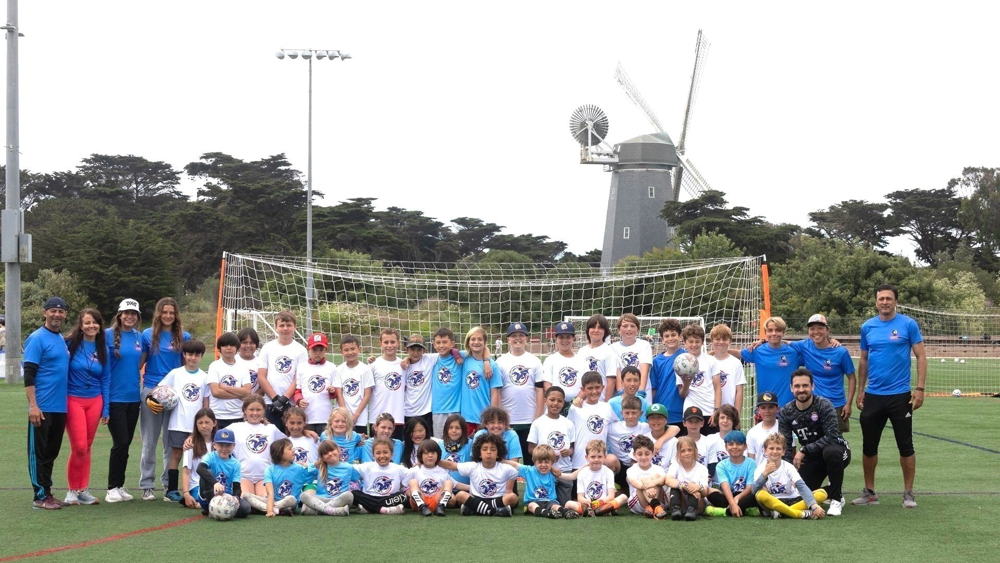
Soccer camps are extremely popular for the 5–7 age group. For instance, SF Soccer Camps (like SF Dragons or those run by SF Youth Soccer) offer week-long programs typically held on athletic fields in Golden Gate Park or Crocker Amazon. These camps focus on skill-building and teamwork in a fun environment for kids from Kindergarten up. One such program, the San Francisco Dragons Soccer Camp, runs on the fields near the iconic Dutch Windmill at Golden Gate Park’s west end. It serves kids in grades K–4 for half-day or full-day sessions, with professional coaching in an age-appropriate way (and plenty of play time). Many local soccer clubs (SF Glens, SF Seals, etc.) run similar camps, and even international club programs like Paris Saint-Germain Academy have a San Francisco soccer camp for ages 7 and up. Generally, soccer camps will run about 9am–3pm and cost on the order of $300–$500 per week depending on the program. They’re a great way for kids to stay active, improve skills, and make new friends.
For kids who prefer racquets or hoops, look at tennis and basketball camps. The Lisa & Douglas Goldman Tennis Center in Golden Gate Park runs summer tennis camps for ages 7–15, introducing kids to tennis (and even pickleball) on their brand-new courts. If your 5-year-old isn’t quite ready for full tennis camp, some programs like SF Tennis Club or local community centers have “tennis for tots” or multi-sport camps that include a bit of tennis. Basketball camps are often run through YMCAs or organizations like Bay City Basketball, targeting elementary ages with drills and games. The YMCA in San Francisco (such as the Stonestown or Presidio YMCA) typically offers general summer day camp tracks that include daily sports and recreation time along with other activities. These Y camps usually serve a broad age range (5–12) and have the benefit of extended hours (many YMCA camps have free extended care 8am–6pm).
One unique active camp in SF is House of Air – an indoor trampoline park in the Presidio known for its exhilarating trampoline and parkour summer camps. At House of Air’s camp, kids ages 6–12 spend the day bouncing on trampolines, learning basic parkour moves, doing flips into foam pits, and playing high-energy games. It’s a perfect outlet for a kid who literally loves bouncing off the walls. The program is structured with plenty of supervision and some skill-building sessions (like beginner gymnastics and trampoline tricks), plus they include lunch. Camps can be full-week or even single-day drop-ins, with full-day coverage (typically ~9am–3pm). If your child is the type who climbs the furniture at home, this could be a dream come true!
Other sports camps to note: baseball camps (the San Francisco Giants have an official camp for kids 6–12, usually hosted at a local field, where kids get pro-level instruction and a visit to Oracle Park), basketball camps with groups like One-on-One Basketball, martial arts camps at karate or taekwondo studios for young beginners, and skateboarding camps. In fact, Golden Gate Park has a Skateboarding Camp (sometimes offered via Rec & Park or specialized skate schools) where kids as young as 6 learn to balance and skate safely in the park’s Skatin’ Place area – helmets required, of course!
For very young ones (5 and under), there are also lighter sports programs like multi-sport camps that introduce a bit of everything – running games, t-ball, soccer basics. These are often half-day and run by organizations like SoccerKids or local recreation centers. And let’s not forget swimming – while there aren’t many standalone swim-only camps for this age in SF (because pools are limited), many general camps include weekly swimming field trips or lessons (the JCC and YMCA often have swimming in their schedule since they have pools).
Arts, Music and Creativity Camps
San Francisco’s creative spirit shines in its summer camps for arts, music, and performance. If your child loves to draw, paint, dance, or perform, there are wonderful programs to nurture those interests.
For young dancers and actors, Petits Pas is a charming camp in the Balboa Terrace neighborhood that offers dance, theater, yoga, and even a bit of French language fun. Petits Pas runs camps from 9am to 3pm (with optional extended care until 5pm) and welcomes kids roughly ages 5–11. The setting is both indoor and outdoor, giving children time to move and time to do crafts. They might practice ballet and hip-hop in the morning, do arts and crafts at midday, and perform a little show by week’s end. Another dance option is CANVAS Dance Arts, which holds camps for ages 5–13 with themes like ballet or hip-hop/jazz mix, also running about 9am–3pm and culminating in a performance.
For theatre arts, one long-running program is Kid Stock, a performing arts camp in SF where campers put on an original musical production. Kids as young as 5 or 6 can join, and over a session they’ll learn songs, simple dance routines, and act in a mini-play that is performed for families at the end. It’s a great confidence builder for children who enjoy singing and imaginative play. San Francisco also has theater camps through organizations like the SF Arts Education Project and others that sometimes mount kids’ productions of fairy tales or popular stories.
Young artists have plenty of outlets too. The Children’s Day School (CDS) in the Mission runs campCDS, which includes art exploration for the younger set (preschool through grade 1) on their campus. There’s also the Art School of SF Bay which offers summer art intensives (though these tend to be for slightly older, 8+). For a mix of art and science, the Hamlin School (an independent school in Pacific Heights) opens its summer Art & STEM Camp to the public, where rising 1st–4th graders (so roughly ages 6–9) can enjoy a combo of hands-on art projects and STEM challenges. Each week even includes a field trip to a local park for inspiration. Hours are 9am–3pm with early drop-off from 8am and aftercare till 5pm – very convenient for working parents.
On the music front, look into Blue Bear School of Music (which has a “Little Bears” rock band camp for kids starting at 6 or 7 to try instruments and perform simple songs) or SF Jazz (they sometimes have a Jazz Camp for ages 8+ that can inspire young musicians). If your child is more about making things, there are also maker and tinkering camps – for example, the Tinkering School in the Bayview offers a day camp where kids use real tools (with supervision) to build creative projects. While Tinkering School’s day camp typically starts at age 8, their approach of hands-on building is echoed in some camps for younger kids like simple woodworking or craft camps at community centers.
San Francisco even has some delightfully niche camps in the arts. A few examples: Circus Center in the Haight/Ashbury area hosts a Circus Camp (generally for ages ~7-13) where kids learn trapeze, juggling, and clowning in a real circus training facility. Cooking camps such as those offered by Culinary Artistas in Ghirardelli Square get kids measuring, mixing and tasting (picture your 6-year-old proudly making their own pizza or fruit salad). And for the little imaginations that run wild with stories, there are creative writing or storybook camps (sometimes through the library or writing centers) where kids can create their own storybooks.
In short, if it’s creative, there’s likely a camp for it! When choosing an arts camp, consider the ratio of creative time to play time that your child likes. Many arts camps will still include outdoor play breaks so the kids can burn off energy between creative sessions.
Camp Schedules and Hours in SF
Camp hours can be a key factor for parents. In San Francisco, many camps run on a school-day schedule, roughly ~9:00am to 3:00pm or 9am to 4pm. This is true for a lot of general day camps and many specialty camps. For example, most city-run Rec & Park camps, Camp Galileo, and others have their core program in that time window. If you need a longer day, check if the camp offers extended care (sometimes listed as “before care” starting around 8:00am and “after care” going until 5:00pm or even 6:00pm). Extended care often costs extra (anywhere from $50–$100 per week for morning and afternoon coverage), except in cases like some YMCA camps or Steve & Kate’s, where it’s included.
Some camps, particularly those for younger kids or very specialized subjects, are half-day. A half-day camp might be 9am–12pm or 1pm–4pm. Examples include certain art or dance camps for preschoolers, or a focused sports clinic that only runs a couple of hours. Half-day camps can be great if you want to schedule multiple different activities in one summer week (e.g., arts in the morning and swim lessons in the afternoon). However, they do require coordinating mid-day pick-up or drop-off.
For working families, camps like Steve & Kate’s Camp are a lifesaver. Steve & Kate’s (which has two San Francisco locations, in Potrero Hill and Cathedral Hill) offers flexible drop-off and pick-up anytime between 8:00am and 6:00pm – all for a flat daily or weekly rate. There’s no extra fee for the long hours, and lunch and snacks are included. This model allows you to choose how many days to attend; you could send your child every day or just occasionally. It’s extremely flexible if you have an unpredictable schedule. Other full-day camps, like many YMCAs, also provide extended hours often at no extra charge, to accommodate working parents’ schedules.
Be sure to check each camp’s policy on drop-off and pick-up times. Traditional camps often have a 15-minute window for drop-off (say between 8:45–9:00am) and expect pickup promptly when camp ends unless you’ve arranged aftercare. Many camps will charge late fees if you pick up your child late, so plan accordingly with traffic. If a camp offers early drop-off, it might start around 8:00 or 8:30am. Aftercare typically runs until 5:00 or 6:00pm. Also note, some camps (like certain nature camps) do not offer extended care at all, to keep costs down or because of staffing – for instance, the Garden Camp at Golden Gate Park’s Botanical Gardens runs 9am–4pm with no extended care, so parents need to arrange to be there at those exact times.
In summary, you can find camps with schedules ranging from a few hours to full workdays. Think about your childcare needs and your child’s stamina – a 5-year-old might be wiped out after a full 8-hour day of activities, while a 7-year-old might handle it fine. Many first-time camp parents start with a half-day or one-week of full-day to gauge their child’s comfort, then adjust the schedule in subsequent weeks or years.
Comparing Camp Costs and Hourly Rates
Camp costs in San Francisco can vary widely. Factors that influence the price include the camp’s length each day, the staff expertise (specialized instructors often mean higher fees), and extras like field trips or meals. On average, a full-day week of camp (around 6–8 hours per day, Monday–Friday) can range from about $300 to $600. More specialized programs (like tech camps or niche sports with low student-teacher ratios) tend to be on the higher end, whereas non-profit or city-run programs are often on the lower end.
One useful way to compare value is to look at the hourly rate of a camp. A camp that seems expensive might actually be reasonably priced if it runs all day. Conversely, a lower weekly price could be for a shorter day. Below is a comparison of a few hypothetical camp scenarios to illustrate this:
| Camp Type | Schedule (hours per week) | Cost per Week | Approx. Hourly Rate |
|---|---|---|---|
| Half-Day Specialty Camp | 9:00am–1:00pm (20 hrs/week) | $400 | $20/hr |
| Standard Day Camp | 9:00am–3:00pm (30 hrs/week) | $450 | $15/hr |
| Full-Day Camp | 8:30am–5:00pm (42.5 hrs/week) | $400 | ~$9.40/hr |
| Extended Day Camp | 8:00am–6:00pm (50 hrs/week) | $500 | $10/hr |
As you can see, a camp charging $400 per week might be quite expensive for a half-day program (effectively $20 per hour of supervision), but that same $400 per week would be a bargain for a camp that runs 8.5 hours a day (under $10 per hour). When budgeting, consider how many hours of enrichment and care you’re getting.
What’s included in the fee is also important. Some camps include lunch and snacks (Steve & Kate’s, some sports camps, etc.), which can save you time and money on food prep. Others might have additional fees for field trips or materials. City camps often require an extra fee for extended care if you need it. A few camps offer sibling discounts or early registration discounts if you sign up in the winter.
Remember that popular camps in San Francisco can fill up quickly. Some premium camps might justify their cost by high demand and unique offerings, whereas more affordable options may have lottery systems or residency preferences (e.g., Rec & Park gives SF residents priority registration). It’s a good idea to have a mix of choices – perhaps one “splurge” week for a camp your child is dying to try, and other weeks at a more budget-friendly community camp.
Frequently Asked Questions (FAQs) about Summer Camps
How do I choose the right summer camp for my child?
Start by considering your child’s interests and temperament. Do they thrive outdoors or prefer indoor structured activities? Involve your child in the decision – show them a few camp options (with pictures or videos if available) and see which excites them. Also, consider practical factors: location (a camp close to home or work reduces commute stress), schedule, and cost. Read reviews or ask other parents about their experiences. It might be helpful to start with a general day camp for a first-timer, to get a bit of everything, then in later summers try more specialized camps once you know what your child enjoys most.
When should I book a summer camp in San Francisco?
Many camps open registration as early as January or February for the upcoming summer. Book as early as possible, especially for popular camps. San Francisco camps can fill up by spring. Some city-run camps (Rec & Park) have registration dates in March and often fill within minutes online. Niche camps might have more flexibility, but it’s still wise to secure your spot by early April. If you’re late to planning, don’t panic – there are usually some camps with openings or new sessions added later, and flexible programs like Steve & Kate’s don’t cap enrollment in the same way. But to get your top choices, early booking is recommended.
What should my child pack for camp each day?
Most day camps will provide a checklist, but generally for a full-day camp your child should bring: a backpack with a lunch (unless provided), snacks (if not provided – active kids get hungry!), a water bottle, sunscreen (pre-applied and extra for reapplying, as many camps spend time outside), a hat for sun protection, and comfortable clothes that can get dirty. For younger kids, a change of clothes in the backpack is a good idea, just in case of spills or accidents. If the camp involves water play or swimming, pack a swimsuit and towel on the designated days. Likewise, for sports, make sure they have the right shoes (sneakers for running, etc., and maybe shin guards for soccer). Label everything with your child’s name – camps often end up with lost & found piles of hoodies and water bottles. Lastly, if your child has any medications (inhaler, EpiPen, etc.), coordinate with the camp staff to have those on hand and any necessary medical forms filled out.
How do drop-off and pick-up typically work?
Drop-off and pick-up procedures vary by camp but generally, you’ll sign your child in and out each day. Camps often have a quick health check or morning greeting. Drop-off is usually within a specific window (e.g., 8:45–9:00am for a 9am start). It’s important to be on time so the camp can start activities as scheduled. Pick-up is at camp end (e.g., 3pm or 4pm) unless you’ve arranged aftercare. If you are late, some camps charge a fee per minute – and it can add up – so plan to arrive a few minutes early. Many camps will ask for your ID at pick-up until the staff recognizes you, and if someone else is picking up your child, you typically need to notify the camp and list that person on the authorized pick-up list. Some camps have car line drop-offs (particularly those at schools or with lots of campers) – you’ll see counselors escort kids from the car. Others, you park and walk your child in. At pick-up, some camps like to do a brief closure or highlight of the day, so don’t be surprised if your child is bursting with stories on the ride home!
Can I get a refund if our plans change?
Every camp has its own cancellation and refund policy. It’s crucial to read the fine print when you register. Many camps offer a full or partial refund up until a certain date (for example, you might get a refund minus a processing fee if you cancel at least 2 or 4 weeks before the session). After that deadline, fees may be non-refundable. Some camps will allow you to switch weeks (space permitting) rather than refund. In the era of COVID and other unforeseen issues, camps have become more explicit about refund policies for illness as well. Also note deposit policies: a few camps (especially those with costly equipment or field trips, or overnight camps) require a deposit to hold your spot and that deposit might be non-refundable. Always communicate with the camp if something comes up – for example, if your child gets sick or your family has to travel unexpectedly, some camps might offer credit for future programs even if they can’t refund cash. Steve & Kate’s famously automatically refunds any unused “day passes” at the end of summer, which is great for flexibility. But not all camps do that, so assume that once summer starts, you might not get money back unless it’s a serious emergency or the camp itself cancels.
How are age groups determined at camp?
Camps group children by age or grade to ensure activities are appropriate and everyone has buddies at a similar developmental stage. Typically, a camp’s age groupings might be something like: 4–5 year olds (Pre-K/K), 6–8 year olds (early elementary), 9–12 year olds (upper elementary), etc. For our focus (ages 5–7), your child might be in a group called “5-6 year olds” or “entering 1st and 2nd graders,” for example. Some camps specifically target narrow age ranges (e.g., a camp might be advertised for 5–7 year olds only), which can be nice for that cohort. Other camps have a broad age range (e.g., 5–12) but then break into smaller groups for daily activities. When you’re reading camp descriptions, check the ages served: “ages 5–10” means a wide range, so ensure the camp plans different activities for a 5-year-old vs a 10-year-old. Ask the camp how they group kids on-site. Most will have separate counselors and rotations for the younger ones versus older ones. This is important for safety and enjoyment – 5-year-olds get very different things out of camp than 11-year-olds! The good news is, at many camps the 5–7 age group is well-catered to with extra counselors (often a higher staff ratio for the littlest campers) and activities geared toward shorter attention spans. If your child is on the younger end (say just turned 5), you might also look for camps labeled “Jr.” or “Little” camps (like “Little Explorers”) which are specifically designed as a gentle introduction to camp for the youngest attendees.
Summer camps in San Francisco are a treasured resource for families – they keep kids engaged, learning, and socializing in those school-free months. As a parent of a 5–7 year-old, you have a wonderful array of choices, from building robots to hiking in forests, from scoring goals to painting masterpieces. With a bit of planning and the right information, you’ll be able to find the summer camp San Francisco experience that makes your child’s summer truly special. Here’s to a summer of growth, fun, and new memories for your little camper!