Summer Camps in Petaluma, CA – A Complete Parent’s Guide
 Jessie Feller
Overview of Petaluma’s Summer Camp Options
Petaluma parents are fortunate to have a wide range of summer camps available for children of all ages. In fact, there are dozens of local camp programs, covering everything from outdoor nature adventures to arts, sports, and academic enrichment. Whether you have a curious kindergartener or an energetic teen, you’ll find Petaluma summer camp options to match their interests. Programs are run by various organizations – the city Parks & Recreation department, non-profits, local businesses, schools, and national camp companies – providing an impressive variety of camp experiences in our community.
Popular camps include large all-day programs that many families return to year after year, as well as smaller specialty camps catering to specific interests. For example, the City of Petaluma and the Boys & Girls Clubs run multi-activity day camps that keep kids busy with games, crafts, and field trips, while independent providers offer focused camps in nature, STEM, sports, performing arts, and more. Below we break down the types of camps available in Petaluma, highlight some noteworthy programs in each category, and provide details on ages, hours, and costs. Keep in mind that spots can fill up fast – it’s wise to plan ahead and register in late winter and early spring for the most popular camps.
Nature & Outdoor Adventure Camps
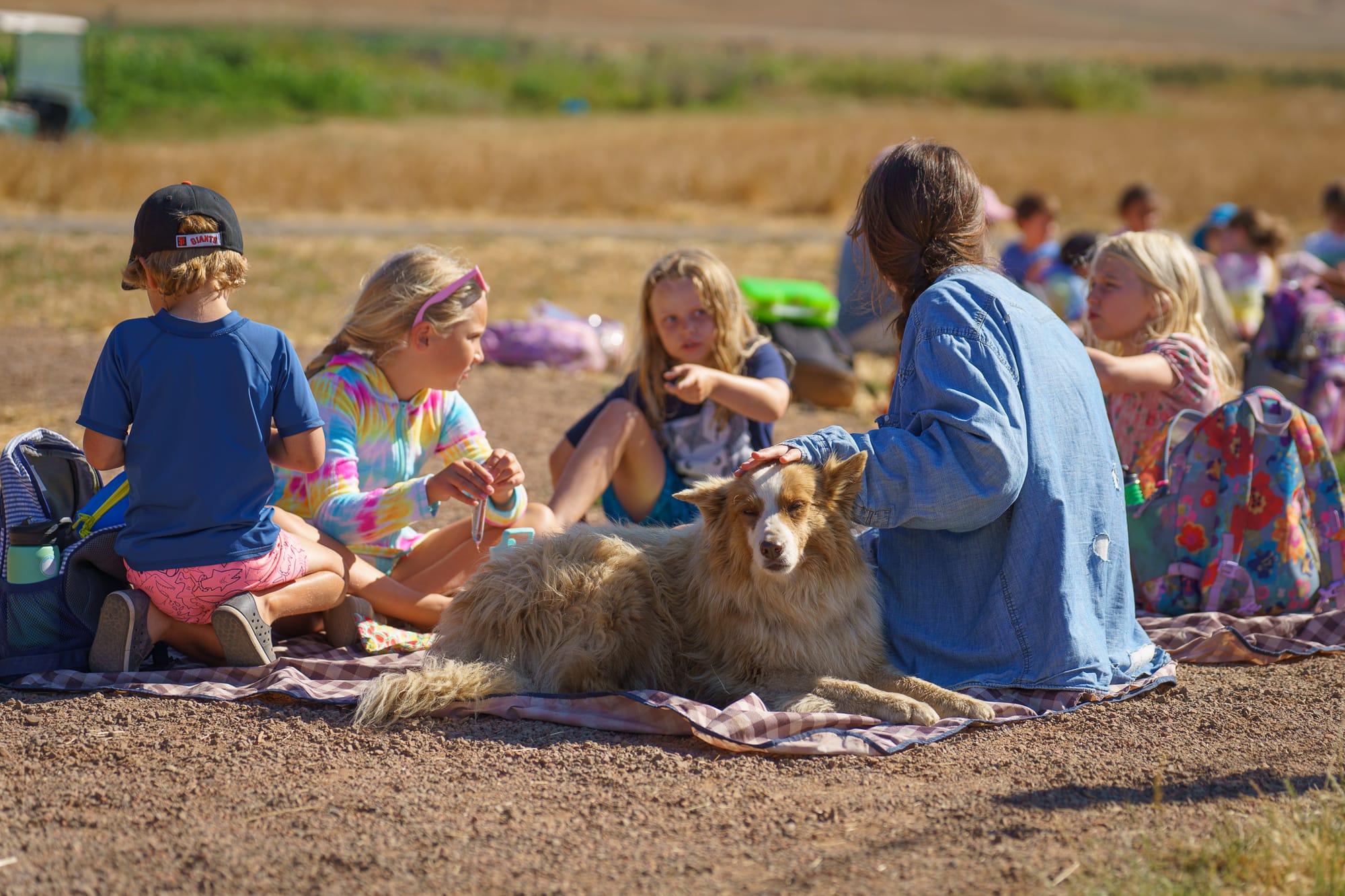
If your child loves exploring the outdoors, Petaluma has some fantastic nature-themed camps. These programs immerse kids in local parks, farms, and wild spaces, emphasizing hands-on learning and play in nature:
- River & Wildlife Camps: Friends of the Petaluma River hosts the Green Heron Nature Camp along the Petaluma River, where campers explore the watershed’s plants and animals. Similarly, the Petaluma Wildlife Museum’s Summer Camp (registration opens 2/1) engages kids with live animals and environmental science activities (for ages 5–12). Campers get up-close encounters with creatures and learn about ecology in a fun setting. Lastly, The Floathouse has a Small Boat Summer Camp and Intro to Sailing Camp (registration is open) for ages 10-17 which gets the kids out on the water (safely) and experiencing a range of watercraft including kayaking, outrigger canoe, sailing and more.
- Farm & Forest Camps: For a farm experience, Sunbeam in west Petaluma lets kids help with the farm and engage in the land in a beautiful rural setting for a range of ages (3-11) and registration is already open. Another unique program is Camp Covey, which blends nature and art for younger children. Hosted at a local farm, Camp Covey uses “play-based learning, outdoor adventures, and process art” to inspire creativity in nature – kids might hike and collect natural materials, then make art from what they found. It’s a gentle, imaginative camp especially suited for the younger set (preschool to early elementary).
- Outdoor and Wilderness Camps: Petaluma-based Vilda runs Petaluma Ranch Camp, a nature-based camp for ages 6–9 that includes animal tracking, edible plant ID, shelter building, and farm animal care. Funderblast - run by long-time camp director Veronica Cowen - hosts a kids camp outside at a park each summer where the kids enjoy playing outside, water play, crafts, games, and nurturing counselors. Funderblast has locations across the North Bay and their slogan is 'You are amazing'!
Most nature camps run on the smaller side (dozens of campers or less) to keep groups intimate. They typically operate as half-day or standard day programs (for example, 9am–3pm). Extended care is less common for these camps since activities are outdoors, but families often coordinate carpools. Nature camps are a great choice for elementary-aged kids to unplug and get dirty outside under close supervision by experienced outdoor educators.
Sports & Active Camps
For physically active kids or those eager to try a new sport, Petaluma’s sports camp offerings are abundant. From traditional team sports to martial arts and even boating, there’s something for every young athlete:
- Multi-Sport Camps: If your child likes a bit of everything, look for multi-sport programs. The City of Petaluma’s Parks & Rec department offers a Multi-Sports Camp at Lucchesi Park where kids are introduced to a mix of sports and teamwork in a fun environment. Likewise, i9 Sports runs a Nike Kids Camp that builds foundational skills across sports for elementary ages. These camps keep things dynamic with different games each day. St. Vincent de Paul High School also runs one-week half-day sports camps on their campus for kids who want a short, focused skills camp.
- Specialized Sports Camps: Petaluma has many specialized camps run by local teams and coaches. For example, Legends Baseball and Softball Camp at Prince Park teaches baseball/softball through skill-building games with a low camper-to-coach ratio. Young basketball players can join the North Bay Basketball Academy Summer Camp, emphasizing fundamentals like dribbling, passing, and shooting in a fun, competitive setting. Soccer enthusiasts have options too – from a Nike Soccer Camp at the Petaluma sports fields to the KinderKickz Soccer Camp that introduces the littlest kids (ages 3–8) to the sport in a positive environment.
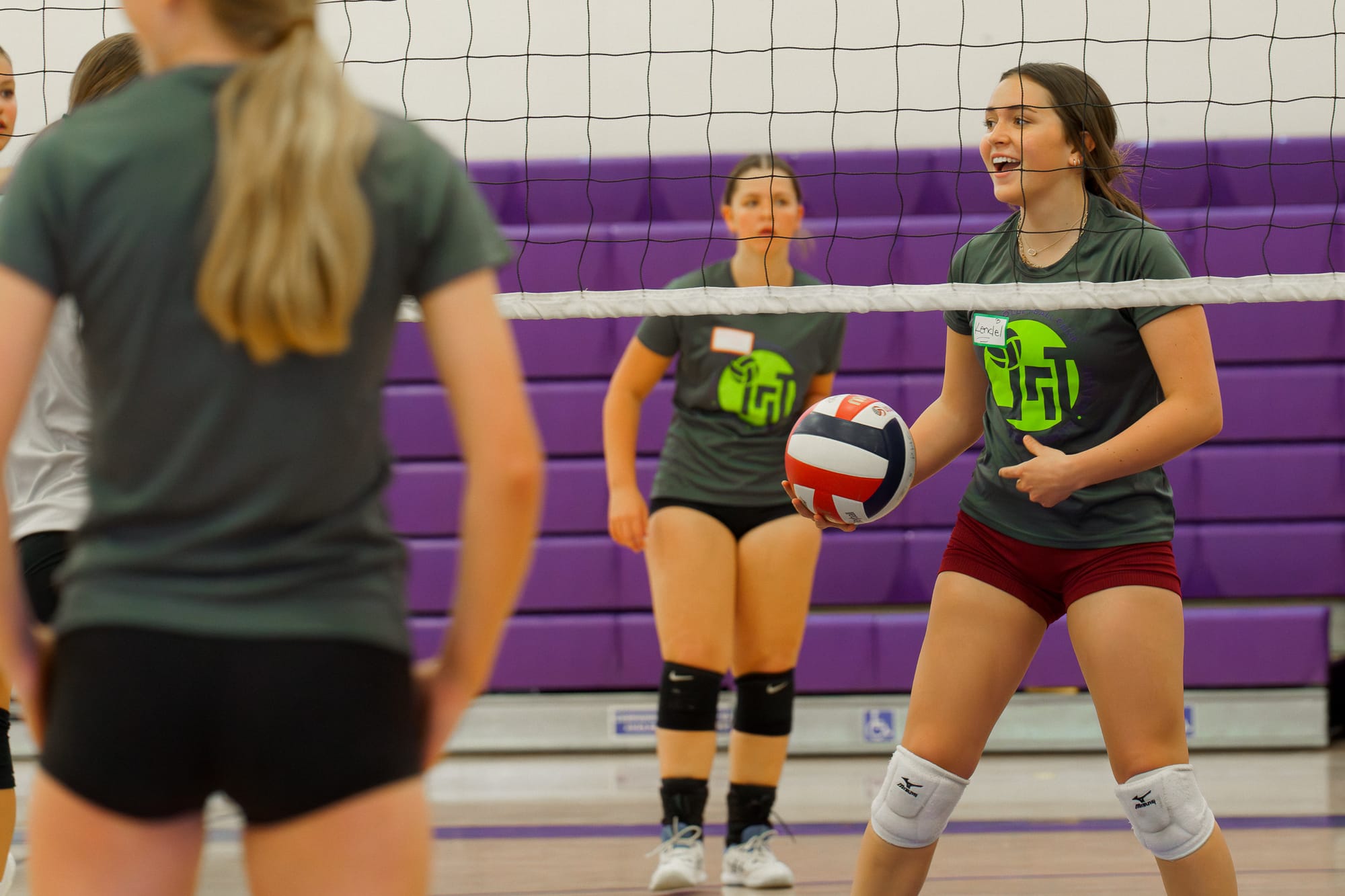
- Individual Sports & Unique Activities: Beyond the big team sports, Petaluma camps cover niche athletic interests. The GRIT Volleyball Camp at Petaluma High helps players of all levels improve their volleyball skills with personalized coaching. En Garde Fencing and Archery Adventure Camp is offered in multiple locations around Sonoma County during the summer and is another unique offering, where kids learn Olympic fencing techniques and archery in one action-packed week.
- Martial Arts & Gymnastics: Several martial arts studios and gyms host summer sessions. Martial Arts USA and others run camps blending self-defense skills with fitness games, aiming to build confidence and strength in kids while they have a blast kicking and punching (safely). For tumblers, Body English Health & Fitness holds gymnastics and ninja camps in their huge new facility (registration is already open). They have a fun mix of gymnastic instruction with obstacle courses and “ninja” challenges to keep kids moving.
Most sports camps in Petaluma cater to elementary and middle school ages, though a few (like rowing or certain advanced sports clinics) target teens. Schedules vary – some are half-day clinics, while others are full-day programs especially when combined with general camp activities. Many sports camps are held at local schools, parks, or sports facilities in town, making drop-off convenient. Experienced coaches and low coach-to-camper ratios are common, ensuring kids get quality instruction and stay safe. Be sure to pack extra water, sunscreen, and appropriate sports gear for these camps!
Arts, Crafts & Performing Arts Camps
Petaluma’s creative spirit shines through its many arts and performance camps. If you have a budding artist, actor, or dancer on your hands (or just a child who loves to sing, paint, or dress up), consider one of these programs:
- Visual Arts & Crafts: Several local studios host art camps where kids can experiment with painting, drawing, and crafting. Clouldland is a new teaching studio on Western Avenue taught by Petaluma artist and teacher Beth Tisthammer. She runs a half-day summer art camp in her fresh new studio with a focus this summer on sculpture, fashion, costume making, and mural painting for a range of ages. For a unique twist, the Comics/Cartoon/Manga Art Camp (taught by Petaluma artist Gio Benedetti) lets kids who love comics and manga spend a week making their own comics and characters – they’ll draw a ton and even try inking and painting comic art. Campers come away with improved art skills and a stack of their own comics.
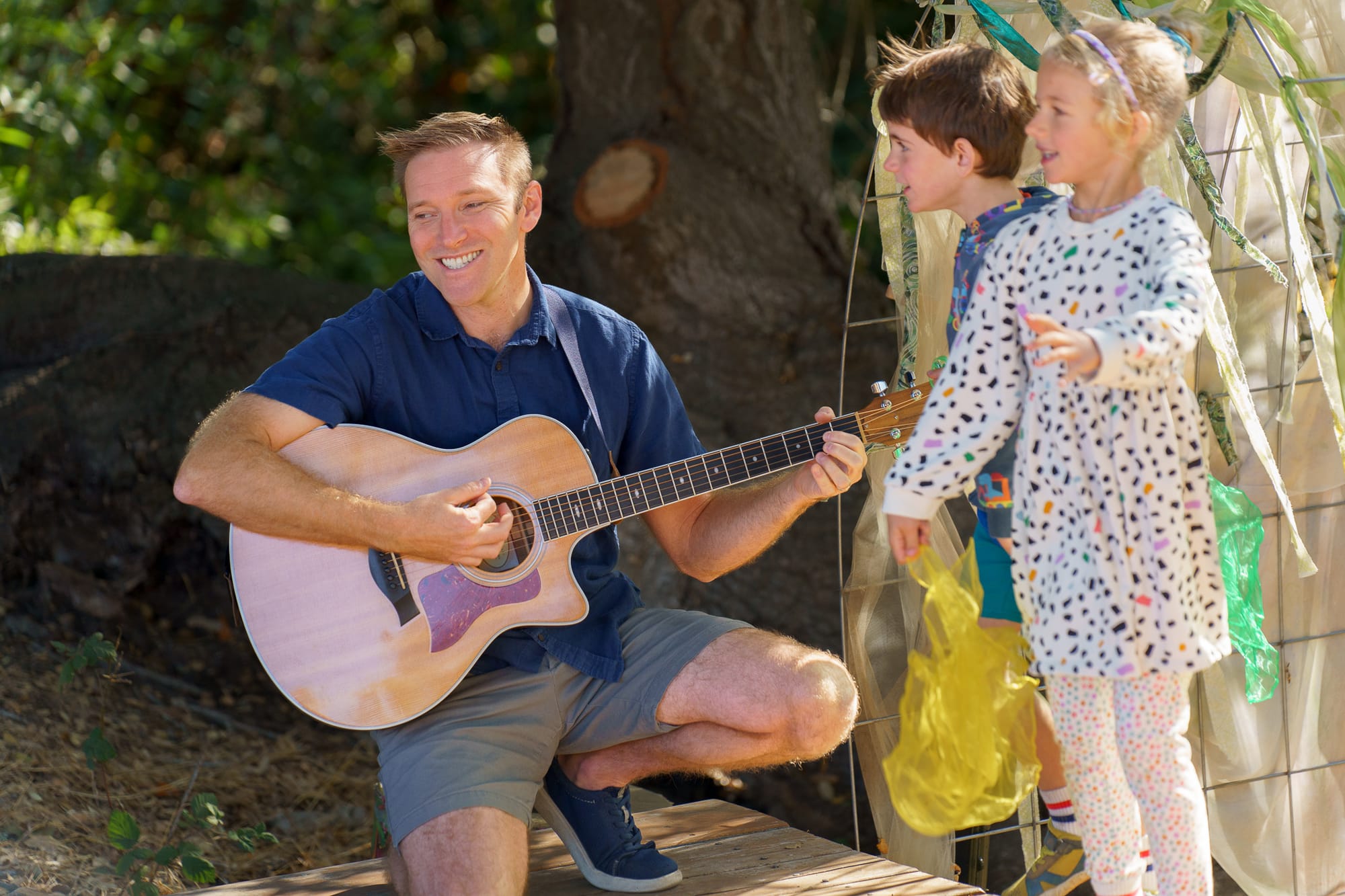
- Performing Arts (Theater/Dance): Petaluma has some wonderful theater and dance camps that build confidence and stage skills. Cinnabar Theater is known for its themed summer camps and with a new space this year, it is bound to be a wonderful year. The Sandcastle Theater Company offers weekly drama camps where kids put their own spin on fairy tales or popular stories and put on a performance at week’s end. Through theater games focusing on ensemble, story, and character, children exercise their imaginations and learn to collaborate – all while having fun and putting on a show for families. Young dancers, meanwhile, can twirl into summer at dance camps or summer sessions with Petaluma School of Ballet, O'Brien Center for the Arts, and Studio C. Many have themed weeks to choose from.
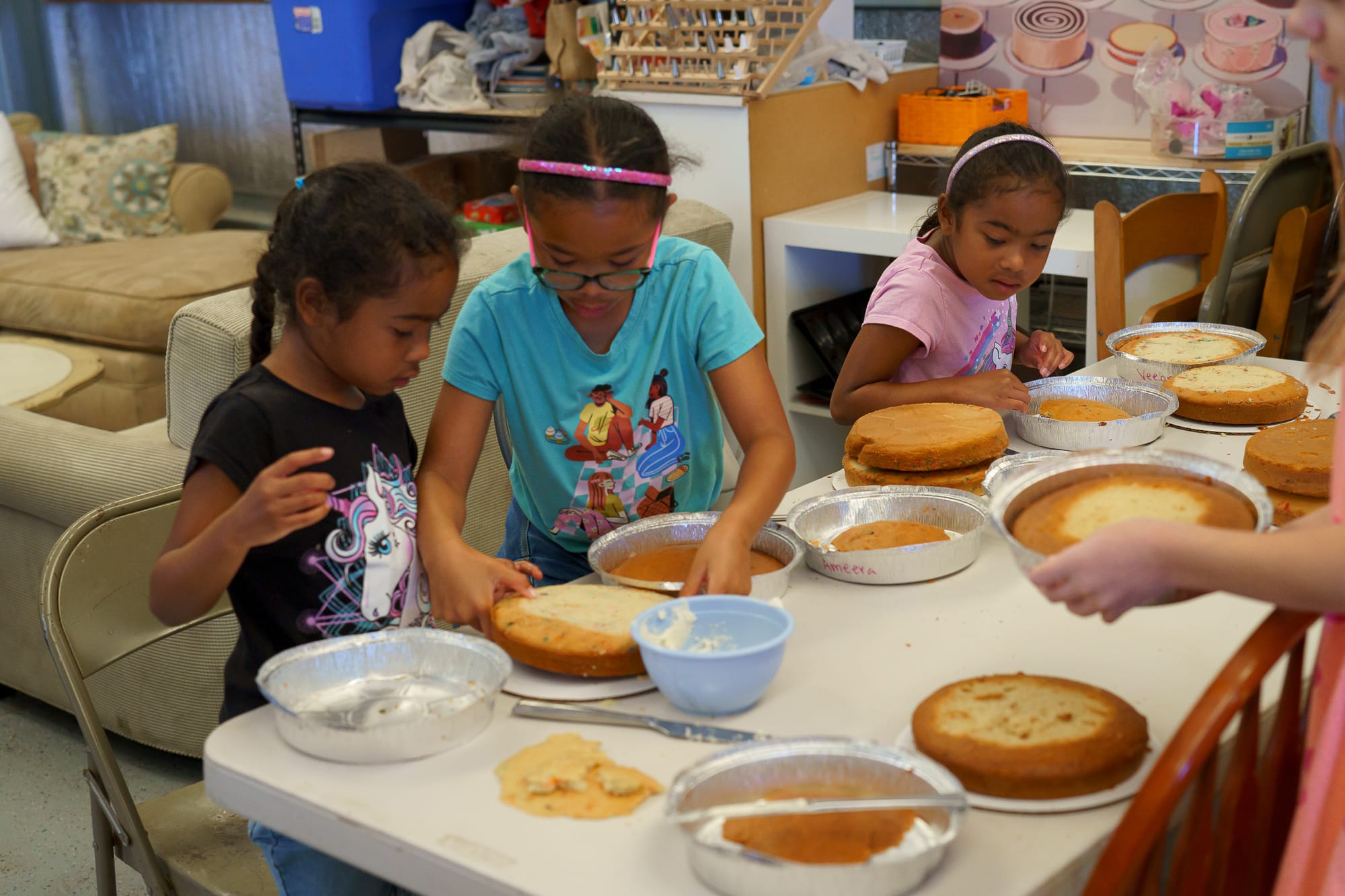
- Cooking: Anna B's Baking Camp has been running for years in Petaluma. Kids from age 5-13 get to bake in her barn and then swim in the pool in the afternoon. These culinary classes are perfect for young aspiring bakers who want to learn the art of baking and cooking in a fun, hands-on environment. Under the expert guidance of Anna Barrera, a seasoned chef with deep roots in the culinary world, children will explore a variety of delicious recipes, gaining valuable skills in the kitchen. Registration and sessions available soon.
Petaluma’s arts and performance camps tend to be creative, playful, and confidence-building. They nurture self-expression – whether through a paintbrush or a stage role – in a supportive environment. Most welcome elementary age kids, with some dance camps starting as young as age 3 or 4 (with plenty of helpers to keep little ones engaged). These camps usually run in the mornings or early afternoons for a few hours, which is perfect for young attention spans. If your child comes home splattered in paint or belting out a show tune, you’ll know it’s been a good day!
STEM & Academic Enrichment Camps
Summer is a great time for kids to explore science, technology, and other academic interests in a fun, low-pressure setting. In Petaluma, several camps emphasize STEM (Science, Technology, Engineering, Math) or other enrichment learning:
- Science & Nature STEM: The Petaluma Wildlife & Natural Science Museum Camp is a standout for science-loving kids. This camp provides an “engaging animal-based summer camp” where children 5–12 learn through up-close encounters with the museum’s animals and hands-on science activities. New in 2026 is a specialized camp for 12-14 year olds - Animal Care Apprentice Camp. Each week has a different theme (zoology, ecology, etc.), and campers even get to help care for reptiles, amphibians, and mammals under supervision. It’s both educational and wildly fun – a perfect blend of summer and science. Sonoma County 4-H also has two sleepaway camps which are immersive experiences outside and in nature - swimming, canoeing, and sleeping under the stars. Sleepaway camp can be a wonderful place for kids to redefine themselves, build independence and confidence, and build a new community.
- Critical Thinking: Petaluma's Goblin Bros Game store hosts a Dungeons & Dragons Camp which builds critical thinking and storytelling skills. Kids learn the basics of playing D&D and embark on an imaginative quest, essentially doing math and strategy without even realizing it!
- Academic and Leadership Camps: For families seeking more traditional academic enrichment, Petaluma has options especially for older kids and teens. St. Vincent de Paul High School runs the SV Camp of Champions – Academic programs for incoming 9th graders and high schoolers, focusing on subjects like pre-algebra, geometry, SAT/ACT prep, and even college essay writing. These camps are a great head-start on the school year in a low-stress summer environment (usually these are half-day workshops). On the leadership front, there are also preschool-kindergarten readiness camps. Some preschools open up for the public during the summer like Happy Hearts and the City Parks & Rec Department hosts Camp Sunshine for ages 3–5 that gently introduce academic concepts through play.
STEM and academic camps often have a strong educational component but keep the mood fun and engaging – this is summer, after all! Group sizes are usually small to allow for hands-on learning. Many of these camps run as half-day intensives (morning or afternoon) for one week at a time. They’re perfect for preventing the “summer slide” in learning or just feeding a child’s particular passion (be it dinosaurs, coding, or creative writing). Pro tip: If your child is new to a topic like coding or science, a camp can be a wonderful, low-commitment way to spark their interest before you invest in longer courses or school-year programs.
Camp Schedules, Costs, and Comparing Options
One of the biggest questions for parents is how each camp fits into the family schedule and budget. Petaluma’s camps range from short half-day sessions to full-day programs with extended care, and prices vary accordingly. Here’s an overview of what to expect:
Camp hours – Many specialty camps (arts, nature, half-day sports) run for about 3 to 4 hours per day, typically in the morning (e.g. 9am–12pm) or early afternoon. Full-day camps usually go roughly 9am–3pm or 9am–4pm. A few comprehensive programs offer extended care starting as early as 7–8am and as late as 5–6pm for working parents. For instance, Steve & Kate’s includes all hours 8:00am–6:00pm in their standard fee, and the City of Petaluma’s camps and Boys & Girls Club camps also provide early drop-off and late pickup options. Always check each camp’s exact hours; if you need coverage beyond the camp day, look for those with official extended care or consider pairing a half-day camp with an afternoon childcare option.
Camp costs – The cost of Petaluma camps can differ dramatically based on the type of program and length of day. Community-run day camps and non-profits tend to be more affordable, while specialized camps (with higher instructor expertise or expensive resources like horses or tech equipment) will cost more. The good news is there are quality options at nearly every price point. To help illustrate, below is a sample comparison of weekly camp costs in Petaluma, breaking down the approximate per-hour expense:
Table: Examples of Petaluma camp hourly costs from summer 2025, illustrating the range from affordable programs to specialty camps.
As the table shows, a basic full-day day camp by the city or Boys & Girls Club might work out to around $4–$6 per hour, whereas a highly specialized camp (like horseback riding or the wildlife science camp) could be $20–$30 per hour of camp. Most private camps fall somewhere in between, often around $10–$15 per hour. Keep in mind some camps include extras in their fees (Steve & Kate’s includes snacks/meals and all activities in the day pass, which adds value). Also, financial assistance and discounts are sometimes available – for example, Petaluma Parks & Rec offers scholarships for city-run camps, siblings might get discounts at certain camps, and organizations like the Boys & Girls Clubs subsidize costs (their stated cost to run camp is higher than what they charge familiesbgcsonoma-marin.org). It never hurts to ask about scholarships or payment plans if cost is a barrier.
When choosing a camp, consider the per-hour cost in context of what your child gets out of it. A more expensive specialty camp might offer a truly unique experience (e.g. learning to ride a horse or build a robot) that is worth the premium for a week. On the other hand, if you need full-time coverage for many weeks, the more affordable general camps or subsidized programs can be a lifesaver. Many families mix-and-match – perhaps one week of an expensive specialty camp that really interests your child, and other weeks at a budget-friendly camp for childcare coverage. Petaluma’s variety makes this possible.
Frequently Asked Questions about Petaluma Summer Camps
Q: What age can my child start going to summer camp?
A: There are camps available for children as young as 3 years old in Petaluma. In particular, the city’s Camp Sunshine is designed for preschoolers (ages 3 to entering K) as an introduction to camp. Most drop-off day camps, however, start at age 4 or 5, which is generally pre-K or kindergarten age. At that age, kids are able to handle a few hours away from parents and participate in group activities. Nearly all camps have specified age ranges – be sure to check if your child fits. Petaluma camps cover every age up through teens: you’ll find plenty for elementary ages, some for middle schoolers, and even a few leadership or CIT (counselor-in-training) opportunities for high schoolers. If your child is on the younger side, you might start with a half-day camp or a program that specifically caters to preschoolers to ensure they have a positive first camp experience.
Q: Do any camps offer extended care for working parents?
A: Yes, many Petaluma camps offer extended care options, and a couple even include it in the standard schedule. If you need early drop-off or late pick-up, look into the larger day camp programs. For example, the City-run camps (Camp Sunshine, Kids Klub, K2) have early drop-off around 7:00–7:30am and after-care until 5:30–6:00pm for an extra fee. The Boys & Girls Clubs summer program runs 8am–5pm by default and may offer care slightly beyond those hours. Steve & Kate’s Camp is open 8am–6pm with no extra charge for extended hours – the fee covers the full span. Smaller specialty camps (like a morning art camp or sports clinic) typically do not have extended care on their own, but some will partner with an afternoon program or at least advise on local childcare for the rest of the day. If scheduling is a concern, your best bet is a full-day multi-activity camp or any program explicitly advertising extended hours. Always confirm times and any additional fees for extended care during registration, and plan to pack extra snacks for those long days!
Q: What should my child bring to camp each day?
A: It depends on the camp, but generally kids should come prepared with the basics every day: a water bottle, snacks and lunch (if the camp is over lunchtime – some full-day camps provide lunch, but most half-days do not), and sunscreen already applied (plus extra in their bag). A good backpack with a hat, maybe a light jacket, and a change of clothes (for younger ones or if water play is expected) is wise. Camps will usually let you know any special gear needed. For example, sports camps often require athletic shoes (closed-toe) and maybe sport-specific items like shin guards or a baseball glove (if your child has them; if not, camps usually have loaners). Nature camps might ask kids to bring sturdy shoes, long pants, insect repellent, or a bathing suit and towel if there’s creek play or swimming. Art camps could recommend “wear clothes that can get messy” since paint and glue might come home as souvenirs on their shirts. And if your child is at an all-day camp, definitely pack a hearty lunch and possibly two snacks – all that activity makes them hungry! Lastly, label everything with your child’s name. Summer camp tends to be a black hole for water bottles and hoodies, so labeling helps ensure items come back.
Q: When should we register for summer camps?
A: Register as early as you can – many Petaluma camps start registration in late winter or early spring (around February or March for the coming summer). Popular camps can fill up by April or May. For instance, city camp registration typically opens in March, and spots, especially in the younger age groups, may be gone within a few weeks. Niche camps with limited enrollment (like a horseback riding camp that only takes 10 kids per session) also tend to fill quickly with returning campers. It’s a good idea to start researching camps in the winter, sign up for registration reminder emails if available, and be ready to sign up when registration opens. That said, don’t despair if you’re running late – there are often still camp options available into May and June, especially for programs that run multiple sessions all summer. The Enrichment.kids platform listing Petaluma camps is a great resource; you can see which camps still have availability or are on waitlist status. If your first-choice camp is full, join the waitlist and meanwhile secure a spot in an alternative. Families’ plans change, and you might get a call off the waitlist. Overall, aim to book by spring break to get a wide selection, and definitely by June most camps will be underway or full.
Q: How do I decide which camp is right for my child? (Bonus FAQ)
A: Consider your child’s interests, temperament, and your goals for camp. Talk with your child about what activities sound fun to them – do they light up about sports, art, animals, or just making new friends and playing outside? Also think about practical factors: Does your child do well in new environments, or would they prefer to go with a friend or sibling? If they’re younger or hesitant, a shorter camp or one where they know someone might be a gentle start. Read camp descriptions and look for clues about the environment: a highly structured skills camp might be great for a kid who wants to improve in a sport, while a more play-based camp might suit a child who just wants to have fun and socialize. You can also reach out to camp organizers with any specific questions (about staff training, camper to counselor ratio, safety protocols, etc.). Petaluma is a tight-knit community, so don’t hesitate to ask fellow parents for recommendations – a camp enthusiastically recommended by local families is always reassuring. In the end, the “right” camp is one that matches your child’s interests and makes them feel excited (maybe a little nervous is okay!) to attend. The goal is for them to come home smiling, tired, and full of stories each day.
By keeping these tips in mind and taking advantage of the diverse summer camps in Petaluma, you’ll set your child up for a memorable and enriching summer. From learning new skills to making new friends, camp can be a wonderful growth experience. Happy camping in Petaluma!