Gardner School of Arts & Sciences: A Whole-Child Learning Hub in Vancouver, WA
 Jessie Feller
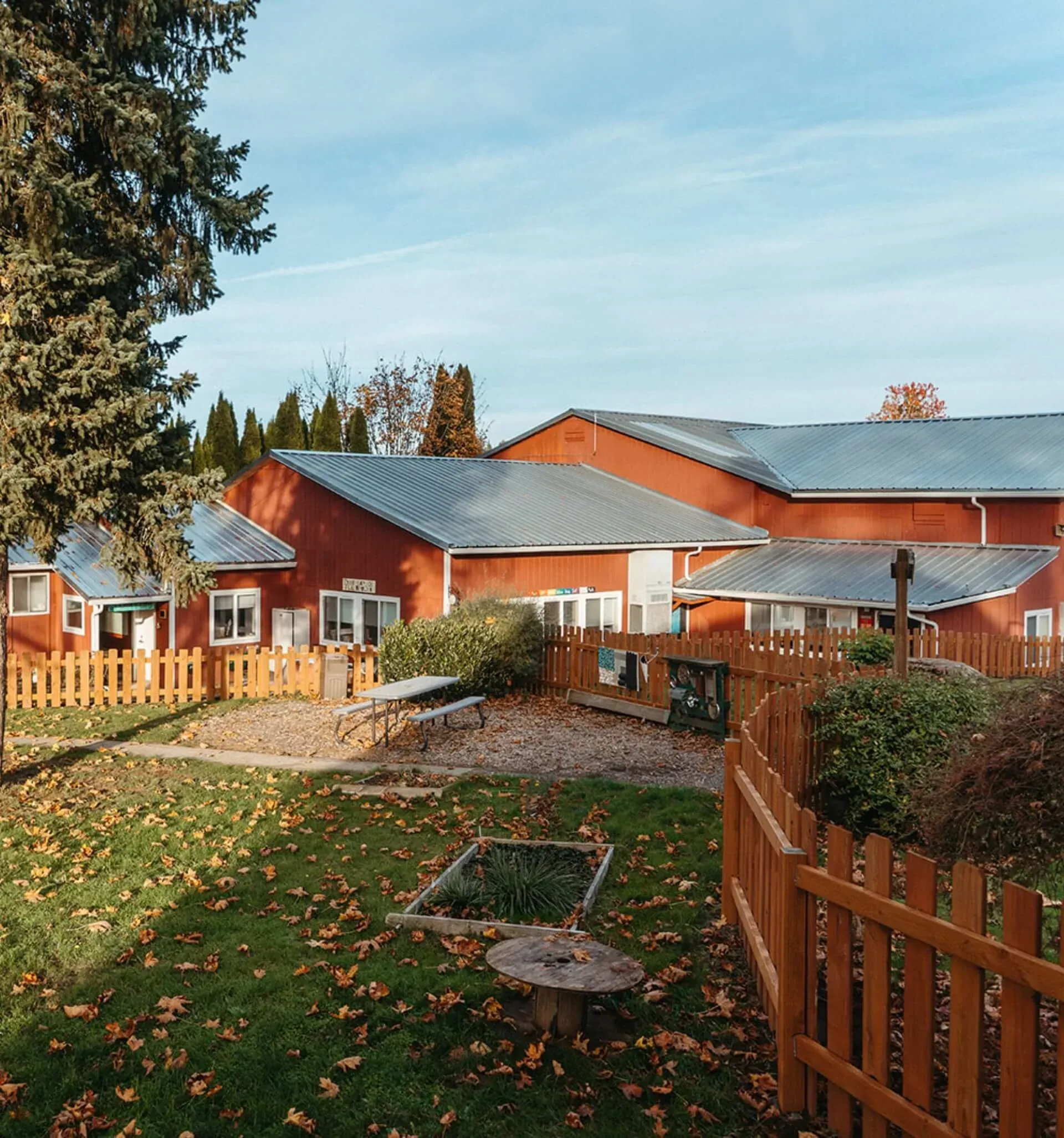
Picture five acres of Clark County wetlands, a yellow farmhouse porch stacked with kiln-fired clay, and a dozen kids coding tiny robots under the trees. For Southwest Washington families, that place is Gardner School of Arts & Sciences, a second home for curious minds year-round.
What camps and classes are available at Gardner this season? Click here.
A Progressive Hub with a Heart for Community
Gardner School of Arts & Sciences opened in 1995 in the Mount Vista neighborhood north of Vancouver, Washington, built around a single idea borrowed from Harvard psychologist Dr. Howard Gardner: children learn in many different ways, and each of those ways deserves honoring. "I want my children to understand the world, but not just because the world is fascinating and the human mind is curious," Dr. Gardner has written. "I want them to understand it so that they will be positioned to make it a better place." That belief still shapes every classroom on Gardner's five-acre campus, where homeroom lessons in math, language arts, and social studies sit alongside specialist teachers in science, music, art, Spanish, and physical education.
Recess is not treated as a break from that philosophy, it is part of it. "Recess is super important. It's our conflict lab and space for conflict resolution. It's a key learning space for children," says Emily Davis, the school's director. That same trust in a small, known community led Gardner to acquire the Country Friends Child Care Center in Hockinson in 2024, extending its whole-child approach to more families across Clark County while keeping its own campus small enough that teachers know every student by name.
Gardner is a member of the Washington Federation of Independent Schools and a candidate member of the Northwest Association of Independent Schools, and it is licensed by the state for both its K-6 program and its preschool. None of that paperwork is what a parent notices on a first visit, though. What tends to stand out is the decades of student art on the walls, classroom spaces that feel more like laboratories for tiny minds than rows of desks, and a staff that talks about "avid learners" and "engaged global citizens" as an everyday, lived-in goal.
Kids Classes in Vancouver: A Curriculum Rooted in Place
Among kids classes in Vancouver, Gardner's year-round program stands out for how literally it is built into the land it sits on. Classrooms are named for the mountains and geological features that Pacific Northwest tribes have described for generations: Tumtum for preschoolers, Mazama (the Klamath name tied to Crater Lake) for Pre-K, Kalama for kindergarten, Pahto and Loowit for grades 1 and 2, and Wy'East and Klickitat, the traditional names for Mt. Hood and Mt. Adams, for the oldest students. Gardner sits on the traditional lands of the Confederated Tribes of Grand Ronde, the Confederated Tribes of Siletz Indians, and the Cowlitz people, and the legends behind those mountain names are shared in the classroom rather than left on a plaque in the hallway. Second graders in the Loowit room, for instance, learn the story behind Mt. St. Helens as a beautiful maiden courted by two rival mountains, Wy'East and Pahto, whose fight the Great Spirit finally ended by turning all three into peaks that still stand across the region today. It is a small thing to build a curriculum around, but it means a Gardner student can point out the window toward Mt. Hood and tell you the story of their own classroom's name.
Inside those rooms, small class sizes let five specialist teachers rotate through the same students all year, including:
- Outdoor learning across the school's five-acre campus, wetlands, and the nearby WSU-Vancouver trail system
- Spanish and art, woven into homeroom studies from preschool on up
- Music and physical education, offered to preschoolers as well as K-6 students
- Science, taught hands-on in the school's garden and wetland spaces
- Technology, led by science and technology specialist Jared, who also teaches Gardner's Robotics and Digital Art camps
Preschoolers in the Tumtum and Mazama classrooms get their own version of this same rhythm, with music, PE, and Spanish built into their week well before kindergarten. Families who need coverage beyond the regular day can add Gardner's Extended Care program, which bookends the school day for working parents without changing the classroom experience itself. Because Gardner keeps its classes small, a parent touring the campus is as likely to see a teacher kneeling next to a single student's diorama as leading a whole-group lesson.
Kids Camps in Vancouver: Full Weeks of Robotics, Ceramics, and Wild Ideas
Every kids camp in Vancouver at Gardner is led by one of the school's own full-time teachers, so the adult running a week of camp is often the same person a family will meet again in the classroom come September. Camps run in one-week sessions from 9am to 3pm on the same five-acre campus, and the range reflects the school's whole-child bent as much as the school year does:
- Robotics, with technology specialist Jared: campers code Edison robots to navigate mazes and run robot wrestling tournaments before taking their own robot home at the end of the week
- Ceramics, with kindergarten teacher Joyce: hand-built and kiln-fired pieces that campers pick up two Fridays later from the porch of the campus's yellow Farmhouse
- Survival Camp, a four-part series with teacher Saryn covering wilderness basics, safety and navigation, wild edibles, and wildlife encounters across Gardner's own wetlands and the neighboring WSU-Vancouver trail system
- Chef's Academy, with teacher Devon: campers design a menu and run their own pop-up restaurant for the week, with recipes adapted for allergies on request
- Comedy and Improv, with teacher Kael, for older campers building a stand-up routine and learning to say "yes, and"
Younger campers have their own imaginative-play weeks, like Beach Camp and Space Camp with teachers Maya and Alex, while older kids can choose Nature's Palette, Herbal Magick, or Miniature and Diorama Construction depending on what pulls them in that particular week. Preschool-age campers spend as much time in Gardner's Imagination Playground, with its sand area and water toys, as they do at a table, and every session still ends with time outside exploring the same wetlands the older survival campers hike.
As Emily Davis told The Columbian in 2024, that sense of belonging is the point as much as any single skill: "In times where it's easy to be disconnected by technology, it's important to give students a deep sense of belonging. I think that we all know that the pandemic has created lots of divisiveness. Our school's goal is to let kids be kids and experience the magic of childhood."
An Accessible, Welcoming Place for Families
Gardner's camps are priced at $375 per week, with a $50 materials fee for Robotics and Digital Art that covers the take-home robot or drawing tablet, priced in line with what families see elsewhere in the region. Because every camp is taught by one of Gardner's own full-time teachers, families already know, or will soon meet again in the school year, the adult leading their child's week.
For Gardner's full-time Kindergarten through 6th grade program, need-based financial aid is available, and roughly half of enrolled families currently receive some level of tuition assistance. Admission and financial aid are handled as separate processes, so a family's finances are not weighed in whether a child is accepted, and families can also spread annual tuition across single, two, three, or ten-part payment plans depending on what fits their budget. Camp registration opens every February 1st, and Gardner lists its full slate of classes and camps on Enrichment.kids, where Vancouver parents can filter by age and register in a few clicks. Even small scheduling choices reflect this same care: priority for the school-readiness Scout Camp goes first to siblings of children already in Gardner's readiness camps, then opens to the wider community.
Where Curiosity and Community Flourish
Walk the Gardner campus on any weekday and the line between "school" and "camp" barely registers. The same wetlands that host a spring science lesson turn into a July survival hike. The same yellow Farmhouse that stores fall craft supplies holds a camper's still-warm ceramics in August. Decades of student art line the walls, and the energy in every room feels less like a classroom and more like a well-loved treehouse that happens to also teach fractions. Parents who volunteer with FROGS, Gardner's parent group (short for Friends and Relatives of Gardner School), meet each month in that same Farmhouse to plan the school's annual community book swap and other events, and they describe the same feeling: a small school that still knows how to make a five-acre campus feel like it belongs to every family who walks onto it.
Curiosity, whole-child care, land stewardship, affordability, and community: Gardner School of Arts & Sciences embodies all these values for Southwest Washington parents and kids. Families curious to see it in person can browse Gardner's current classes and camps or simply schedule a visit and watch a recess period unfold exactly like the conflict lab and confidence-builder Emily Davis describes.